

Mar . 03, 2026
The question of whether you can use inkjet paper in a laser printer is a common one. While it might work, it's generally not recommended. Understanding the differences between these two types of paper, and how they interact with different printer technologies, is crucial to avoid damaging your printer and achieving optimal print quality. This article will delve into the specifics, covering paper coatings, potential issues, and best practices. We’ll explore the differences to help you make informed decisions about your printing needs. You can find a wide selection of suitable papers at LK International.
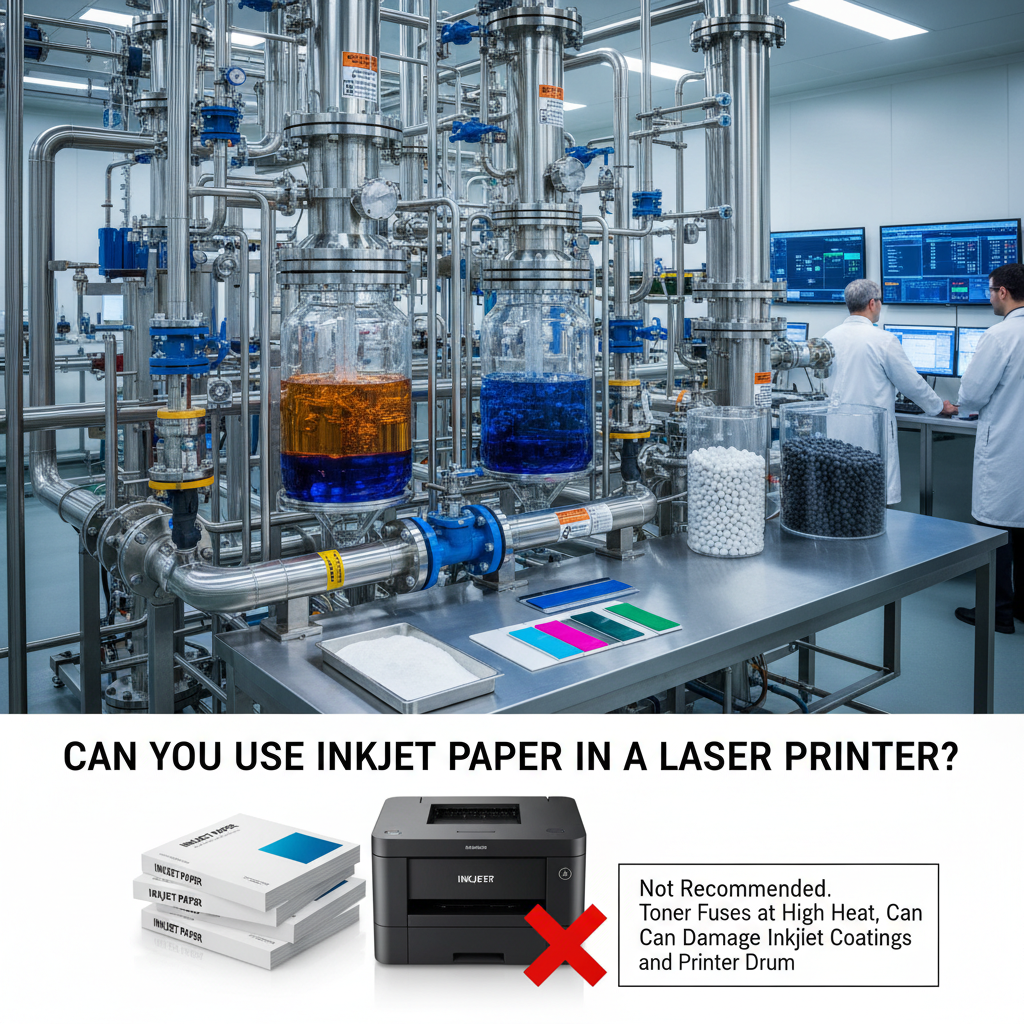
The key difference lies in the coatings applied to the paper. Inkjet paper is designed to absorb liquid ink quickly, preventing it from bleeding and feathering. This is typically achieved through a coating that creates a porous surface. Laser paper, on the other hand, is designed to work with toner, a fine plastic powder. It has a smoother surface that allows the toner to fuse properly when heated by the laser printer’s fuser. Using inkjet paper in a laser printer can lead to several issues, stemming from this fundamental difference in design.
Key Takeaway: Inkjet paper is engineered for liquid ink absorption, while laser paper is optimized for toner adhesion and heat fusion.
Because inkjet paper is more porous, the toner doesn't adhere well to the surface. Instead of fusing, it may sit loosely on top, leading to smudging and poor print quality. More critically, the coating on inkjet paper can melt and damage the fuser unit inside the laser printer. The fuser is a critical component responsible for permanently bonding the toner to the paper; damage to it can be costly to repair. In some cases, using the wrong paper can void your printer’s warranty. Furthermore, the paper may cause jamming and could cause permanent damage to the printer's internal components.
Potential Problems:
• Smudging and poor print quality
• Damage to the fuser unit
• Paper jams
• Voiding your printer warranty
Here's a table summarizing the key differences and potential outcomes when using inkjet paper in a laser printer:
Always use paper specifically designed for laser printers. These papers have a smoother surface and can withstand the higher temperatures of the fuser unit. Look for papers labeled "Laser" or "Suitable for Laser Printers." LK International offers a comprehensive range of laser-compatible papers to meet all your printing needs.
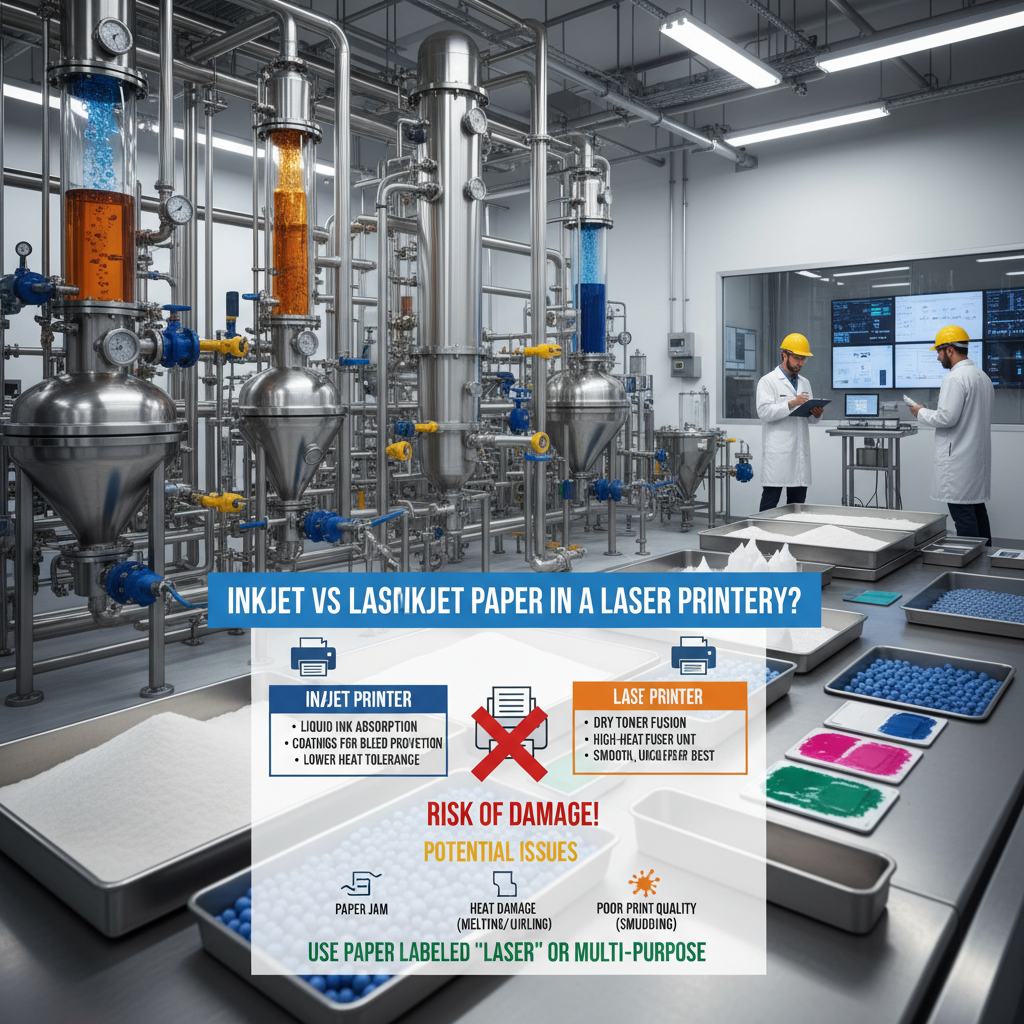
While you might be tempted to use inkjet paper in a laser printer to avoid buying another type of paper, it's a risk that's simply not worth taking. The potential for damage to your printer, coupled with the inferior print quality, makes it a poor choice. Investing in the correct paper type will save you money and headaches in the long run. Choose laser-specific paper to ensure optimal performance, protect your printer, and achieve professional-looking results. You can rely on LK International for high-quality laser paper options.
If you accidentally use inkjet paper, immediately stop printing. Turn off the printer and allow it to cool down. Check for any signs of paper jams. If you suspect damage to the fuser, it’s best to contact a qualified printer technician. Continuing to print with inkjet paper could exacerbate the problem and lead to more extensive and costly repairs. It’s always better to be safe than sorry. Regularly maintaining your printer and using the correct paper types are essential preventative measures.
Generally, no. Even if a paper is labeled as “multi-purpose”, it’s rarely safe to use it in a laser printer. There might be a very small number of papers specifically designed to be compatible with both inkjet and laser printers, but these are rare and should be clearly labeled as such. It's best to err on the side of caution and always use paper specifically designated for laser printing to avoid any potential issues or damage. Check the paper packaging carefully for compatibility information.
For high-quality laser prints, choose a paper with a higher weight (e.g., 24lb or 28lb) and a smooth finish. Coated laser papers can also enhance color vibrancy and sharpness. Consider using a paper specifically designed for the type of print you’re creating, such as glossy paper for photos or matte paper for text-heavy documents. LK International offers a variety of premium laser papers to achieve professional results.
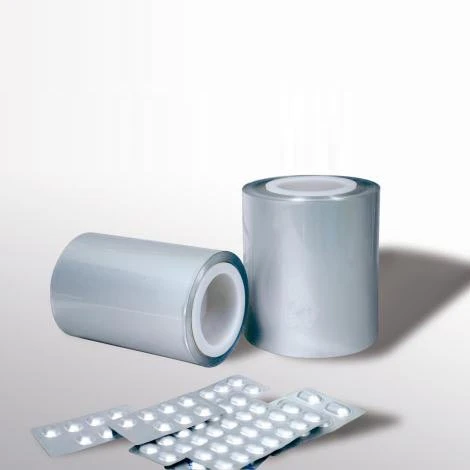
Lucky Medicinal Cold-Forming Composite Material
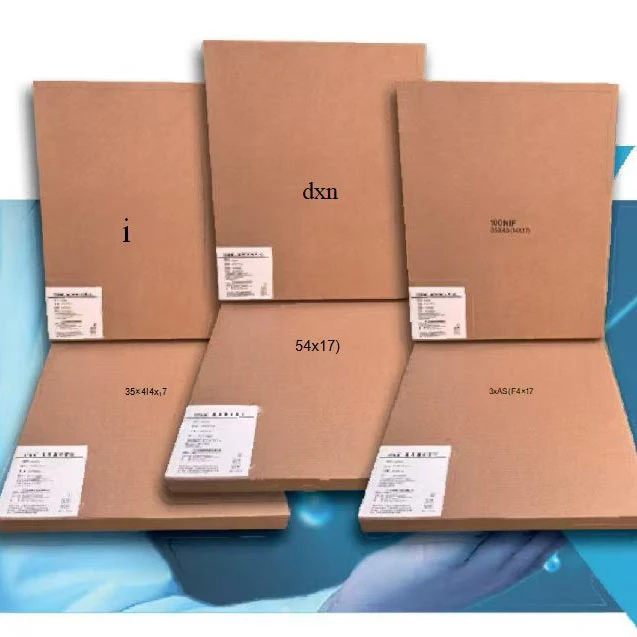
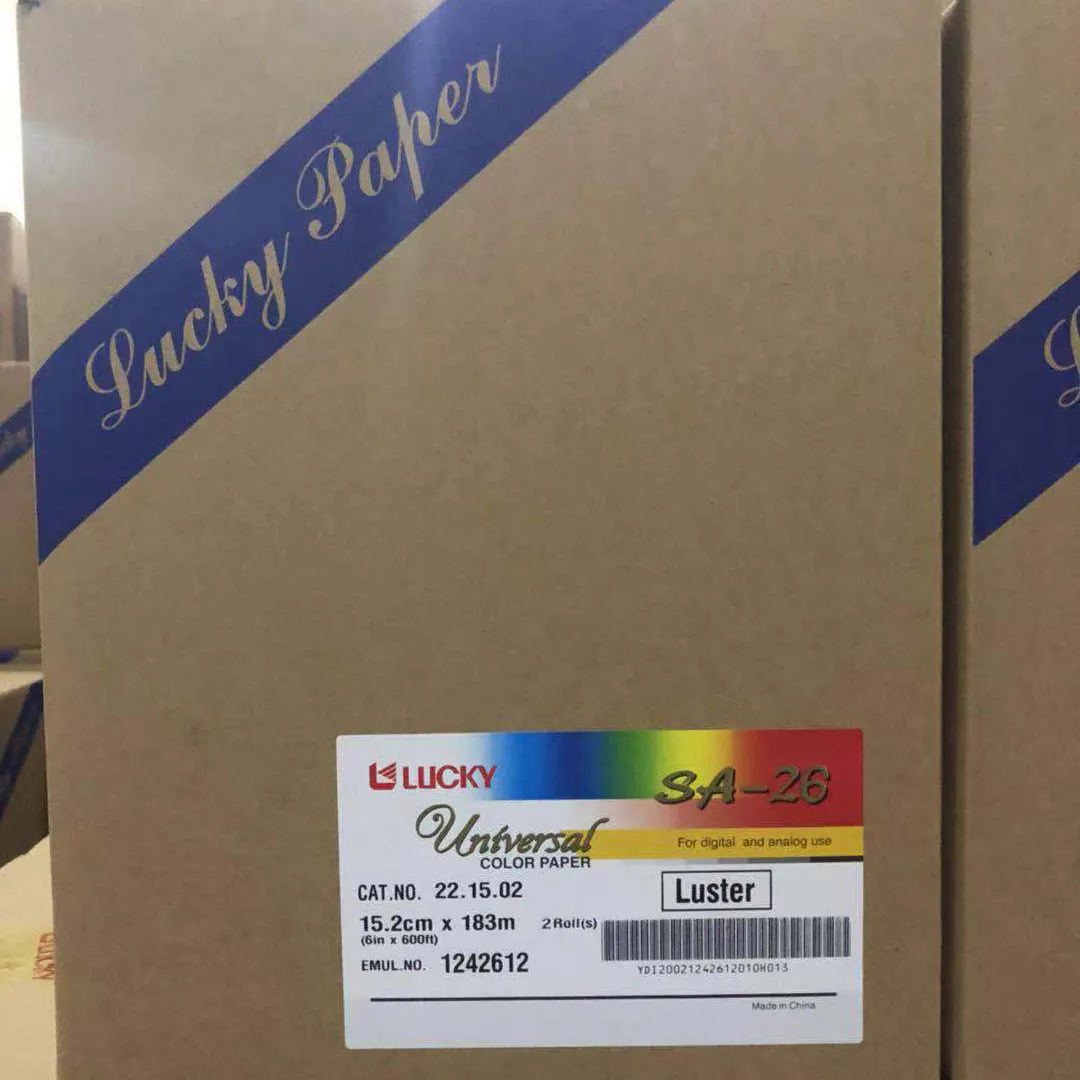
How Lucky Silver Halide Photographic Paper Supports Professional Photo Labs