-
14 Mac 2026
Comprehensive Guide to Film Radiography NDT Techniques and Industrial Applications
Film radiography, a cornerstone of Non-Destructive Testing (NDT), plays a vital role in ensuring the integrity of materials and structures without causing damage. This technique utilizes X-rays or gamma rays to create an image on film, revealing internal flaws and defects. Understanding the principles, applications, and advancements in film radiography NDT is crucial for professionals across various industries, including aerospace, oil and gas, and manufacturing. The precision and reliability of this method make it indispensable for quality control and safety assessments. At its core, film radiography relies on the differential absorption of radiation by the material being inspected. When radiation penetrates an object, it is attenuated based on the material's density and thickness. Areas with higher density or thickness absorb more radiation, resulting in less radiation reaching the film. Conversely, areas with lower density or the presence of defects allow more radiation to pass through.
-
12 Mac 2026
Comprehensive Guide to NDT Film for Enhanced Industrial Quality Control
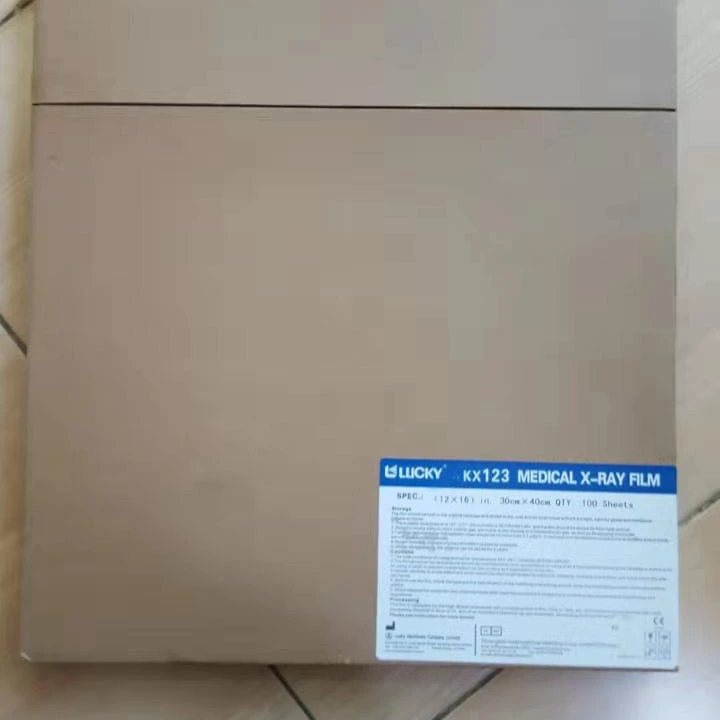
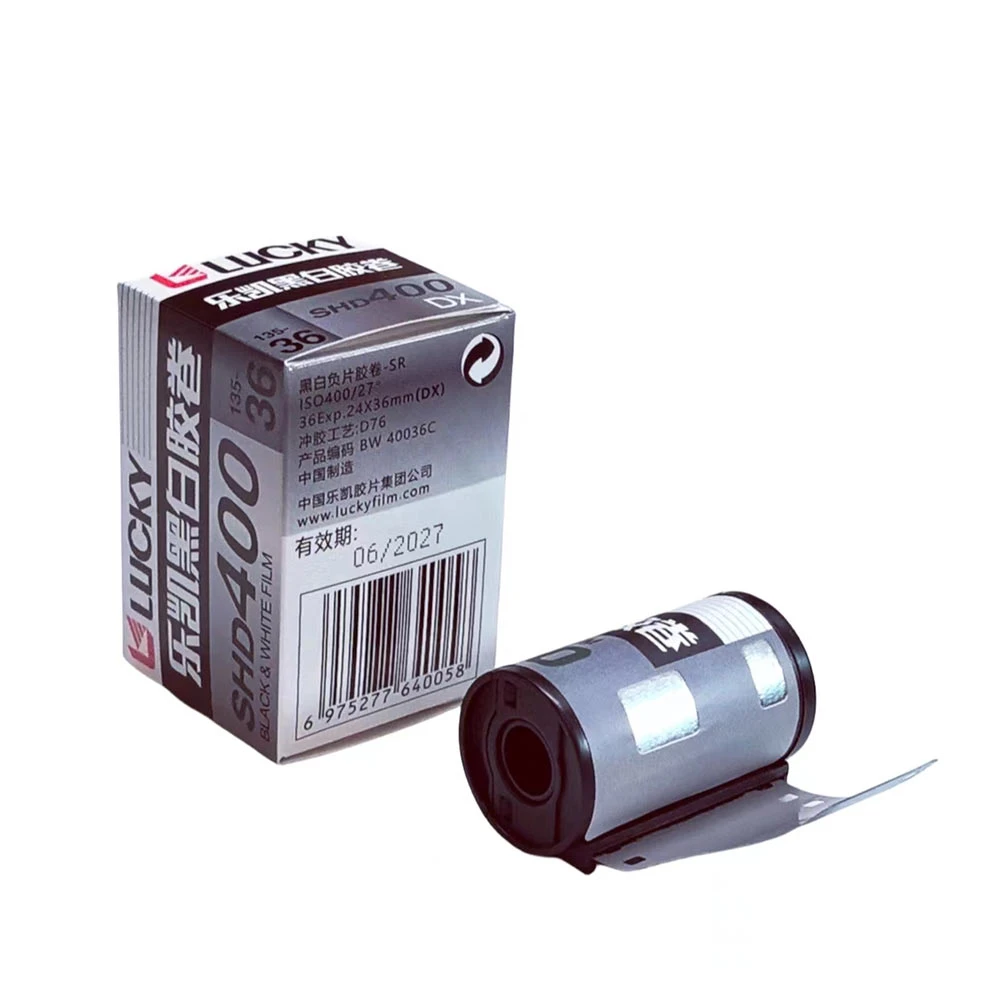
Non-destructive testing (NDT) film plays a vital role in quality control and assurance across numerous industries. From aerospace and automotive to oil & gas and medical, the ability to detect internal flaws without damaging the component is paramount. This article provides an in-depth look at NDT film, its types, applications, and benefits, offering valuable insights for professionals and those seeking to understand this critical testing method. Choosing the right NDT film ensures accurate defect detection, ultimately enhancing product reliability and safety. LK International offers a diverse range of high-quality NDT films tailored to meet various industrial requirements. NDT film, also known as radiographic film, is a specialized imaging material used in industrial radiography. It reacts to ionizing radiation (X-rays or gamma rays) to create a visible image representing the internal structure of an object. This allows inspectors to identify defects such as cracks, voids, porosity, and inclusions without disassembling or destroying the tested component.
-
11 Mac 2026
Comprehensive Guide to Industrial XRay Film Types and Applications
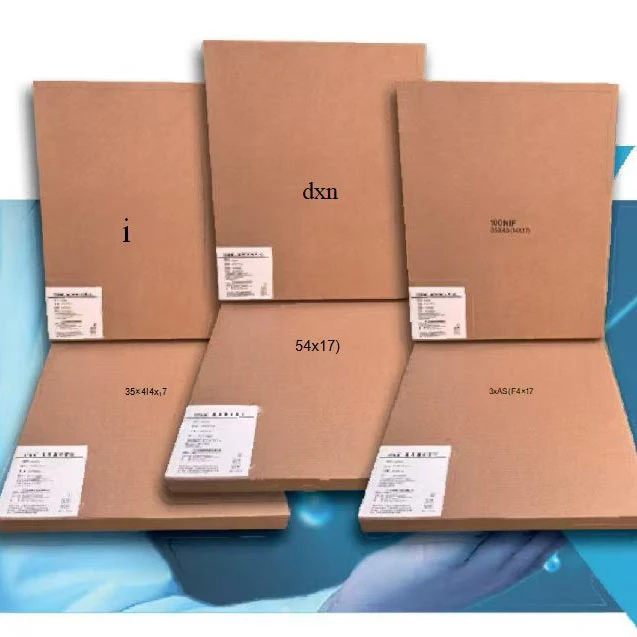
Industrial x-ray film plays a critical role in non-destructive testing (NDT) across numerous industries, enabling the detection of internal flaws and ensuring the integrity of materials and structures. From aerospace to oil and gas, and manufacturing to medical equipment, the ability to ‘see’ inside components without damaging them is invaluable. At LK International, we specialize in providing high-quality industrial x-ray film and radiographic solutions to meet diverse needs. This article will delve into the types, applications, handling, and future trends of industrial x-ray film, offering insights for professionals and those new to the field. Industrial x-ray films aren’t one-size-fits-all. They’re categorized based on several factors, primarily speed and image resolution. Film speed refers to the amount of radiation required to produce a visible image; faster films require less radiation, reducing exposure time. Resolution determines the level of detail that can be captured in the image. Common types include: Class I Films: These are slow-speed films offering very high resolution, ideal for applications requiring detailed image clarity. Class II Films: Medium-speed films providing a good balance between speed and resolution for general purpose NDT. Class III Films: Fast-speed films used when minimal radiation exposure is desired or when inspecting thick materials. Single-Coated Films: Offer lower sensitivity and are used for applications where high contrast isn't crucial. Double-Coated Films: Provide greater sensitivity and higher contrast, ideal for detecting fine flaws.
-
10 Mac 2026
Can You Use Inkjet Photo Paper in a Laser Printer A Comprehensive Guide
The question of whether you can use inkjet photo paper in a laser printer often arises as users seek versatility and cost-effectiveness. While it might seem like a simple swap, the technologies behind inkjet and laser printing are fundamentally different. This article delves into the compatibility, potential risks, and best practices for navigating this scenario. Understanding these nuances can save you from damaging your printer and wasting valuable materials. We’ll explore the key differences between paper coatings and their impact on laser printer functionality. Inkjet printers use liquid ink applied through tiny nozzles, relying on the paper's surface to absorb the ink. Inkjet photo paper is specifically coated to enhance ink absorption, color vibrancy, and prevent feathering. Laser printers, on the other hand, utilize toner – a dry powder – and heat to fuse the image onto the paper. The heat and pressure can react negatively with the coatings found on inkjet photo paper, potentially damaging the printer and creating a fire hazard.