


Professional Medical Imaging and Dental X Ray Film Price Guide
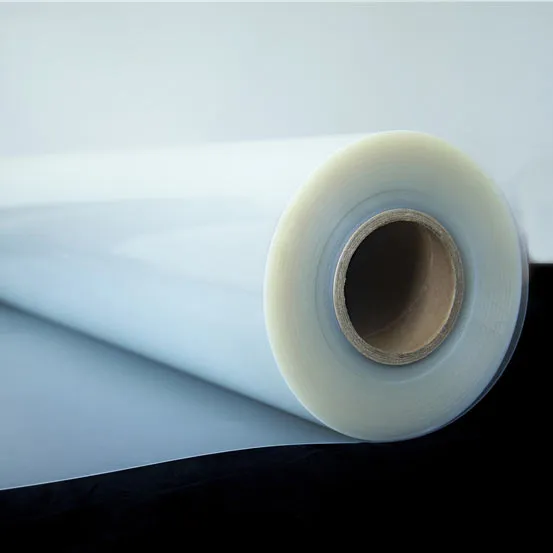
Selecting the appropriate imaging media for medical and dental diagnostics requires a balance between clinical precision and operational cost-efficiency. While many practitioners focus on dental x ray film price, the true value lies in the intersection of image resolution, archival stability, and the reliability of the manufacturing supply chain. High-performance imaging materials, such as the Lucky RC inkjet and specialized medical film series, are engineered to meet rigorous diagnostic standards by utilizing advanced nano-scale porous coatings and A-grade paper bases. Whether for high-resolution dental proofs or large-scale medical imaging, the choice of substrate directly impacts the clarity of tonal transitions and the longevity of the diagnostic record.

The Technical Evolution of Diagnostic Imaging Substrates and Coating Science
The foundation of high-quality diagnostic imaging rests on the chemistry of the substrate and its interaction with imaging agents. Modern RC (Resin Coated) papers, like those produced by Lucky Group, utilize a double-sided RC base that ensures superior flatness and structural integrity, preventing the curling often associated with traditional paper. This is critical in medical environments where precise alignment and stability are paramount for accurate reading.
At the microscopic level, the application of nano-scale porous multiple coating layers allows for controlled ink or chemical absorption. This technology minimizes ink spreading and optimizes light reflection, resulting in vivid color reproduction and sharp image details. For medical professionals, this means clearer margins and more distinct contrast in X-ray outputs, which are essential for identifying subtle pathologies. The integration of water-proof and anti-scratch coatings further ensures that these critical records remain intact throughout their lifecycle, meeting the stringent demands of clinical archiving.

Comparing Specialized Finishes for Clinical and Professional Output
Different diagnostic and presentation needs require specific surface finishes. Glossy finishes are often preferred for high-contrast images where maximum saturation and sharpness are required. The reflective surface enhances the depth of the image, making it ideal for detailed anatomical views. However, for environments with heavy overhead lighting, Luster, Satin, or Silk finishes provide a necessary balance by reducing glare and fingerprint visibility while maintaining a high degree of color accuracy.
For those utilizing cast coating inkjet papers, the focus shifts toward high whiteness and rapid-dry capabilities. These materials are specifically engineered for dye water-base inks, ensuring that high-resolution design images are produced without smearing. The ability to choose from a wide range of weights—from 120g for standard drafts to 300g for premium archival prints—allows clinics and labs to optimize their material spend based on the specific utility of the print, whether it be a temporary patient reference or a permanent medical record.
Strategic Procurement Factors for Medical Imaging Materials
When evaluating suppliers, procurement managers must look beyond the initial quote. The stability of the coating layer is a primary driver of consistency; inconsistent coatings lead to varied image quality across different batches, which can compromise diagnostic reliability. A manufacturer with a legacy of imaging science, such as Lucky Group, provides the assurance of standardized production and international certification, including adherence to EU ROHS directive testing standards.
Furthermore, the compatibility of the media with hardware is a critical consideration. Whether using Epson, HP, or Canon systems, the media must be optimized for the specific ink chemistry—pigment or dye—to prevent curing issues. Buyers should evaluate the long-term archival properties of the film, focusing on fading resistance and moisture stability. Investing in premium RC-based materials often reduces the long-term cost of ownership by eliminating the need for frequent reprints and ensuring a more durable patient record.
Comparison of Imaging Media Characteristics by Application
| Media Type | Surface Finish | Primary Use Case | Durability Level |
|---|---|---|---|
| RC Inkjet Series | Glossy/Luster | High-Res Diagnostic Proofs | High (Water-proof) |
| Cast Coating | High Gloss | Rapid Design/Drafting | Medium (Rapid Dry) |
| Matte Series | Non-Reflective | Framed Art/Presentations | High (Anti-Glare) |
| Specialty Silk | Textured Satin | Premium Portraits/Albums | High (Anti-Scratch) |
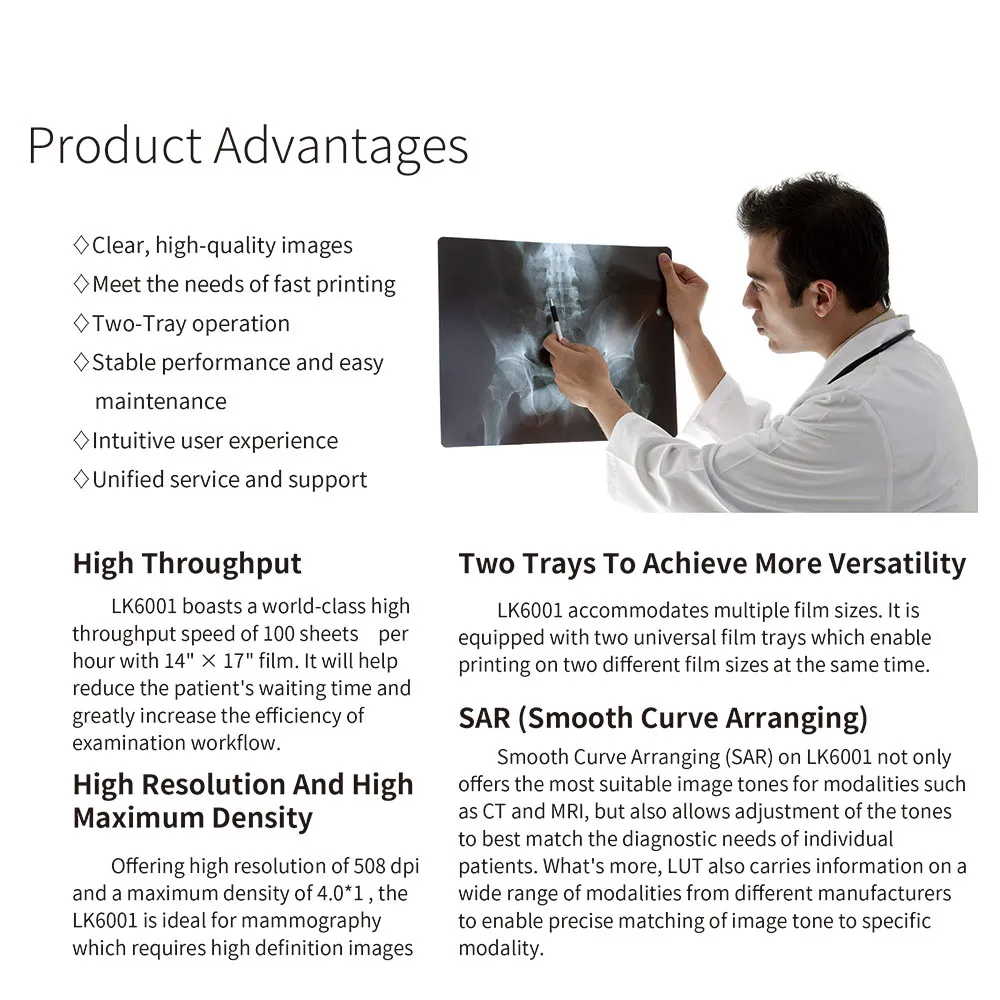
| Medical Film | Specialized | Clinical X-Ray Imaging | Archival Grade |
Supply Chain Reliability in the Global Imaging Market
The global distribution of imaging materials is subject to volatility in raw material availability. Ensuring a stable supply chain involves partnering with manufacturers that maintain diversified sourcing strategies. Lucky Group’s network, spanning over 20 suppliers across 10 nations, mitigates the risk of production halts and ensures that medical facilities receive consistent quality regardless of regional market fluctuations.
For international buyers, the capability of the supplier to handle autonomous import-export rights and maintain regional offices in Asia, Africa, and the Americas is a significant logistical advantage. This infrastructure allows for optimized delivery times and localized support. When analyzing the total cost of procurement, the efficiency of the logistics network often offsets minor differences in unit price, ensuring that critical imaging supplies are available when needed for patient care.
Future Trends in Medical Film and Digital Integration
The imaging industry is moving toward a hybrid model where traditional high-quality physical prints complement digital archives. Even as digital X-rays become standard, the demand for high-fidelity physical output remains for surgical planning, patient education, and legal documentation. The trend is shifting toward "smart" coatings that offer even higher sensitivity and faster curing times, reducing the chemical footprint of the imaging process.
Sustainability is also becoming a core requirement. The industry is seeing a rise in the development of eco-friendly substrates that do not sacrifice optical clarity. Manufacturers are now focusing on ROHS-compliant materials and reducing VOC emissions during the coating process. For the procurement professional, the future lies in selecting partners who can provide this balance of technical excellence and environmental responsibility, ensuring that the clinic's operations are both effective and sustainable.
Frequently Asked Questions on Imaging Media
What is the difference between RC photo paper and standard inkjet paper?
RC (Resin Coated) paper features a plastic coating on both sides of the base paper, which prevents ink bleed and provides superior flatness and water resistance compared to standard uncoated inkjet paper, making it ideal for professional medical prints.
How does the choice of finish (Glossy vs Matte) affect diagnostic reading?
Glossy finishes offer higher contrast and sharper details, which are beneficial for identifying fine structures. Matte finishes eliminate glare from overhead clinic lights, making them easier to view from various angles without reflections.
Can inkjet photo paper be used in laser printers?
No, it is not recommended. Inkjet paper is designed to absorb liquid ink, whereas laser printers use heat to fuse toner. The coating on inkjet paper may melt or curl under high heat, potentially damaging the printer.
Which weight of paper is best for permanent medical records?
Heavier weights (such as 230g to 300g) are generally recommended for permanent records as they provide better durability, are less prone to curling, and offer a more premium, archival feel.
How should medical imaging films be stored to prevent degradation?
They should be stored in a cool, dry environment, away from direct sunlight and high humidity. This prevents the coating from warping and protects the image from premature fading.
What factors influence the dental x ray film price in bulk procurement?
Prices are typically influenced by the substrate grade, the type of coating applied, the total volume of the order, and the logistical costs associated with international shipping and certification compliance.
Technical References and Industry Standards
- ISO Standards for Medical Imaging Materials
- World Health Organization - Diagnostic Imaging Guidelines
- PubMed - Studies on Radiographic Film Stability
- European Union ROHS Directive for Electronic and Imaging Equipment
For professional procurement of high-resolution imaging media and specialized medical films, partnering with a manufacturer that combines historical expertise with modern supply chain efficiency is key to ensuring diagnostic accuracy and operational stability.
Related Industry Insights