-
26 marts 2026
Understanding Photographic Processing Chemicals for Optimal Image Quality
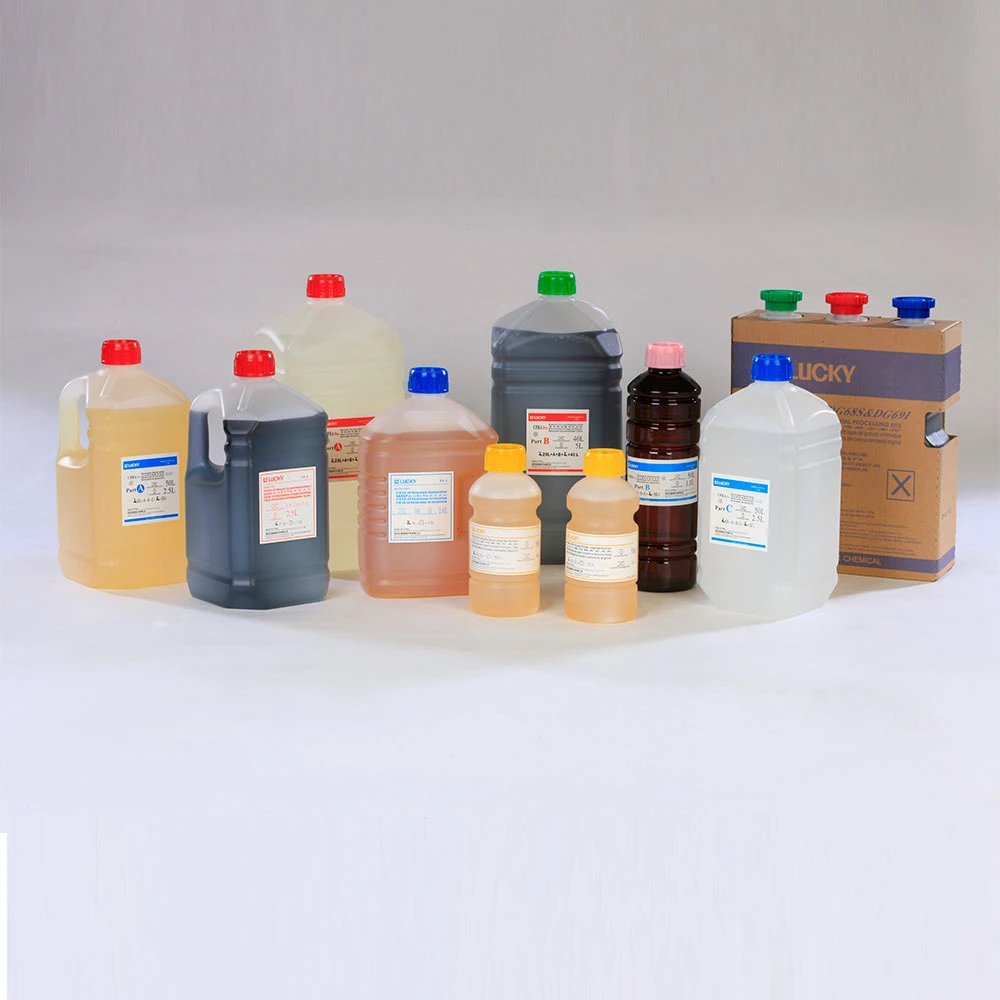
Photographic processing chemicals are essential components in bringing images to life, from traditional film development to modern digital printing. They play a crucial role in converting latent images into visible prints or digital files. Choosing the right chemicals is vital for achieving optimal image quality, longevity, and consistent results. This article will delve into the world of photographic processing chemicals, exploring their types, applications, safety considerations, and the latest advancements. Whether you're a professional photographer, a hobbyist, or involved in commercial printing, understanding these chemicals is paramount. The range of photographic processing chemicals can seem daunting, but they generally fall into a few key categories. Developers convert the latent image into a visible one, increasing the density of silver particles. Fixers (also known as hypo) remove unexposed silver halide crystals, making the image permanent and light-safe. Stop baths neutralize the developer, halting the development process. Toners alter the image tone and enhance archival qualities. Finally, wetting agents reduce surface tension, preventing water spots during drying.
-
24 marts 2026
Comprehensive Guide to Industrial Radiographic Film Types and Applications
Industrial radiography is a critical non-destructive testing (NDT) method used to inspect the integrity of materials and components. At the heart of this process are industrial radiographic films. Choosing the right film type is crucial for obtaining high-quality images and accurate results. This article will delve into the various types of radiographic film available, their characteristics, and applications, providing a comprehensive guide for professionals in the NDT field. Proper film selection ensures optimal image clarity and reliable defect detection. LK International offers a wide range of industrial radiographic films to meet diverse needs. Industrial radiographic films are broadly categorized into several types based on their speed, contrast, and intended application. These include: Single-sided film, Double-sided film, and Special Purpose Films. Single-sided films are the most common type, offering good sensitivity and resolution for general radiography. Double-sided films provide greater sensitivity and are ideal for detecting small defects.
-
21 marts 2026
Comprehensive Guide to Selecting the Best Industrial X Ray Film Supplier
In the realm of non-destructive testing (NDT), industrial radiography plays a critical role in ensuring the quality and safety of products and structures. A reliable supply of high-quality x-ray film is essential for accurate and dependable results. Choosing the right industrial x-ray film supplier can significantly impact your operations, from cost-effectiveness to regulatory compliance. This article will provide a detailed overview of the key considerations when selecting a supplier, covering film types, quality standards, and the benefits of partnering with a reputable company like LK International. Industrial x-ray film isn’t a one-size-fits-all product. Different applications require different film characteristics. Generally, films are categorized by their speed, contrast, and spectral sensitivity. Slow-speed films offer high resolution and are suitable for detailed inspections of thin materials. Medium-speed films provide a balance between resolution and sensitivity, making them versatile for a wide range of applications. Fast-speed films are ideal for thick materials or when shorter exposure times are needed.
-
19 marts 2026
Comprehensive Guide to Industrial X Ray Film Manufacturers and Applications
In the realm of non-destructive testing (NDT) and medical imaging, industrial x-ray film plays a crucial role. Selecting the right manufacturer is vital for consistent, high-quality results. This article delves into the world of industrial x-ray film manufacturers, exploring key considerations, applications, and the benefits of partnering with a reliable supplier like LK International. Understanding the nuances of x-ray film production ensures you receive products tailored to your specific needs and maintain the integrity of your inspection processes. Industrial x-ray film is a specialized photographic material used to capture images created by x-ray radiation. Unlike standard photographic film, industrial x-ray film is designed to have a wider dynamic range and higher resolution to accurately depict variations in material density. It’s used in various applications, including weld inspection, flaw detection, and quality control in industries like aerospace, automotive, and construction. Key characteristics include film speed, contrast, and resolution, all of which influence image quality and the ability to detect subtle defects.