

Apr . 16, 2026
For photography enthusiasts and professional labs alike, the magic of a captured moment doesn't end when the shutter clicks. The transition from a latent image to a visible masterpiece relies entirely on the precision of photo film developing chemicals. Whether you are working with classic black and white silver halide or complex color C-41 processes, the quality of your reagents determines the grain, contrast, and longevity of your prints. In this comprehensive guide, we will explore the essential chemistry behind film processing and how to choose the right supplies for your darkroom to ensure archival quality results every time.
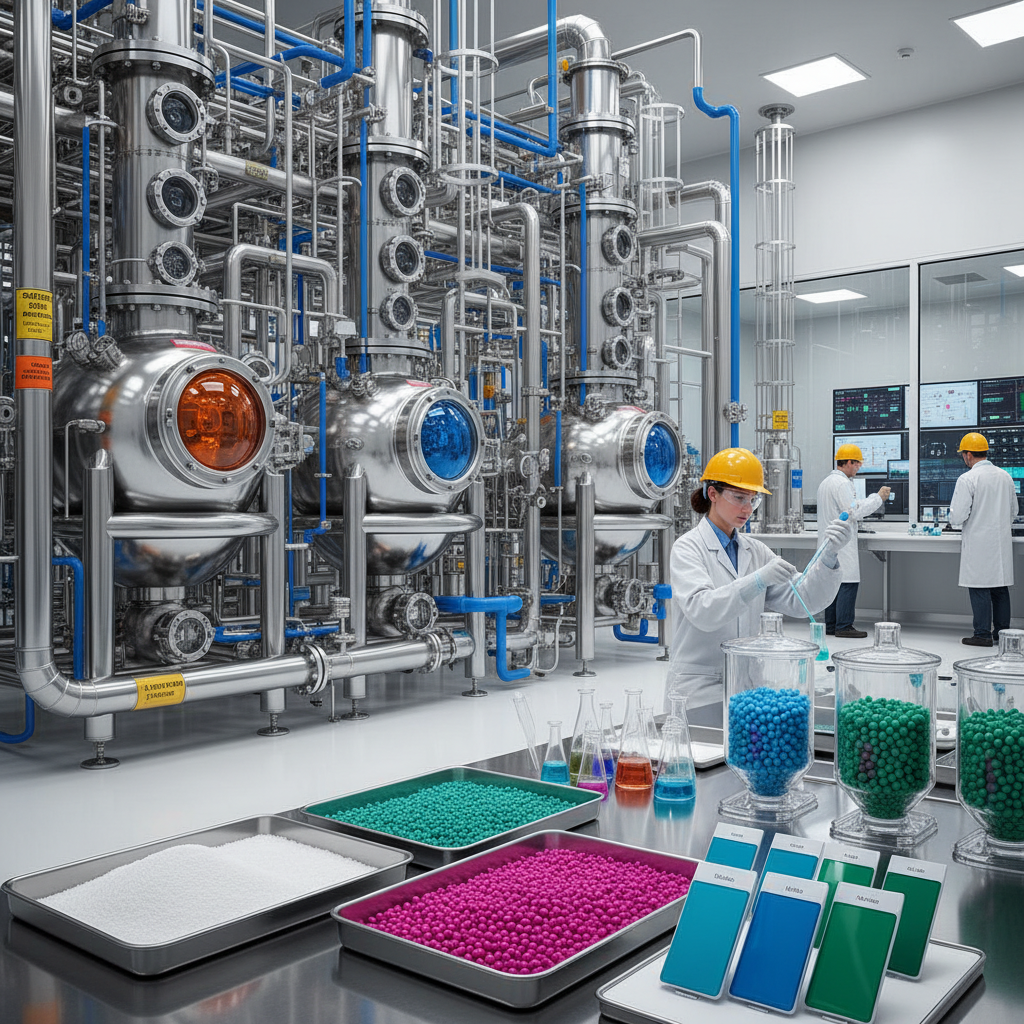
At its core, film development is a series of redox reactions. The primary goal of photo film developing chemicals is to convert the exposed silver halide crystals into metallic silver. This process amplifies the image, making the invisible "latent" image visible to the human eye. Without high-purity chemicals, images can suffer from uneven development, chemical stains, or premature fading. Consistency in chemical concentration and temperature control are the two most critical factors in achieving repeatable, professional-grade results in any laboratory setting.
Pro Tip: Always store your chemicals in opaque, airtight containers. Exposure to light and air can oxidize developing agents, significantly reducing their effectiveness and leading to inconsistent contrast.
A standard development cycle involves three main stages: the developer, the stop bath, and the fixer. The developer reduces the exposed silver ions to black metallic silver. The stop bath is typically a mild acid that instantly neutralizes the alkaline developer to prevent over-processing. Finally, the fixer removes the unexposed silver halide crystals, making the image permanent and no longer sensitive to light. Using premium photo film developing chemicals ensures that each of these stages occurs without leaving residue or causing chemical artifacts on the emulsion.
Chemical Stage Breakdown:
• Developer: Converts latent image to visible metallic silver.
• Stop Bath: Halts development immediately to lock in contrast.
• Fixer: Clears unexposed halides for light stability.
• Wetting Agent: Prevents water spots during the final dry.
Different films require different chemical approaches. For instance, the chemicals used for high-contrast architectural photography differ from those used for soft-grain portraiture. When selecting photo film developing chemicals, professionals often choose between "fine-grain" developers (which act slower but produce smoother images) and "high-contrast" developers (which act faster and sharpen edges). The following table compares the characteristics of the most commonly used chemical agents in the industry.
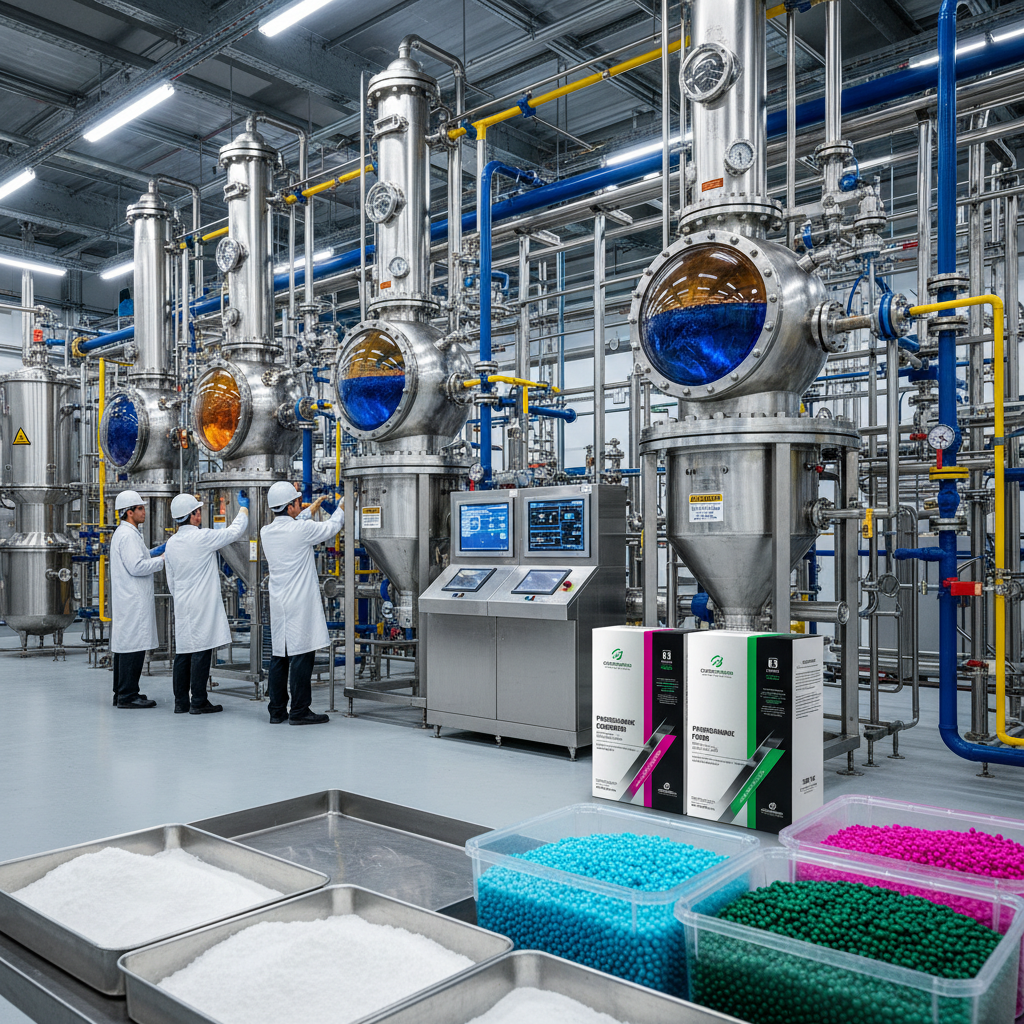
For large-scale commercial laboratories, purity is non-negotiable. Industrial-grade photo film developing chemicals must meet strict assay percentages to ensure that thousands of rolls of film are processed with identical results. Impurities in the chemicals can lead to "fogging" (unwanted silver development in non-exposed areas) or "streaking" during the fixing stage. Below are the standard technical specifications for high-purity developing reagents used in modern imaging facilities.
Working with photo film developing chemicals requires a strict adherence to safety protocols. Many reagents, such as hydroquinone or glacial acetic acid, can be irritating to the skin and respiratory system. Always work in a well-ventilated area and wear appropriate Personal Protective Equipment (PPE), including nitrile gloves and safety goggles. Proper disposal is equally important; chemicals should never be poured directly into the drain without neutralization to protect local water systems and ensure environmental compliance.
To get the most out of your photo film developing chemicals, you must optimize your environmental variables. Temperature is the most critical factor; a difference of even 1 degree Celsius can significantly alter the development time and density of the negative. Using a digital thermometer and a precise timing device is recommended. Additionally, implementing a "pre-wash" step can remove anti-halation layers from the film, allowing the developer to penetrate the emulsion more evenly and reducing the risk of chemical streaks.
The chemistry of film is as much an art as the photography itself. By utilizing high-quality photo film developing chemicals, you ensure that your creative vision is preserved with absolute clarity and archival stability. From the initial developer to the final rinse, every chemical interaction counts. Whether you are managing a commercial lab or a home darkroom, investing in purity and precision is the only way to guarantee that your images stand the test of time. Choose chemicals that offer consistency, safety, and professional-grade performance.
Chemical exhaustion occurs when the developing agents have been fully oxidized. In a professional setting, this is usually tracked by "roll count" or through spectrophotometric testing. Visually, you may notice a loss of density in the shadows of your negatives or an increase in development time required to reach the same density. If you notice a significant drop in contrast or "flat" images, it is time to replace your photo film developing chemicals. Always keep a log of how many rolls each batch has processed to maintain consistency.
While it is technically possible, it is generally not recommended. Different manufacturers use different concentrations of accelerators and stabilizers. Mixing them can lead to unpredictable chemical reactions, resulting in uneven development or "chemical spotting." For the best results, stick to a single trusted supplier for your photo film developing chemicals to ensure that the chemical formulas are compatible and the results remain repeatable across different batches of film.
Powder chemicals generally have a longer shelf life and are more cost-effective for bulk purchasing, but they require precise mixing with distilled water. Liquid concentrates are more convenient and offer higher consistency because they are pre-mixed in a controlled factory environment. For high-volume labs, powder is often preferred for logistics, whereas hobbyists prefer liquids. Regardless of the form, using a high-purity source for your photo film developing chemicals is the key to avoiding contamination.
Tap water contains minerals like calcium, magnesium, and chlorine, which can react with photo film developing chemicals. These minerals can cause "scaling" on the film surface or alter the pH level of the developer, leading to uneven grain or shifted contrast. Distilled or deionized water provides a neutral baseline, ensuring that the only chemical reactions occurring are the ones intended for the development of the image, thus preserving the integrity of the emulsion.
Lucky Medicinal Cold-Forming Composite Material
Understanding Photographic Processing Chemicals for Optimal Image Quality