


Mar . 24, 2026
Industrial radiography is a critical non-destructive testing (NDT) method used to inspect the integrity of materials and components. At the heart of this process are industrial radiographic films. Choosing the right film type is crucial for obtaining high-quality images and accurate results. This article will delve into the various types of radiographic film available, their characteristics, and applications, providing a comprehensive guide for professionals in the NDT field. Proper film selection ensures optimal image clarity and reliable defect detection. LK International offers a wide range of industrial radiographic films to meet diverse needs.

Industrial radiographic films are broadly categorized into several types based on their speed, contrast, and intended application. These include: Single-sided film, Double-sided film, and Special Purpose Films. Single-sided films are the most common type, offering good sensitivity and resolution for general radiography. Double-sided films provide greater sensitivity and are ideal for detecting small defects. Special Purpose films are designed for specific applications, such as high-contrast imaging or fluoroscopy. Understanding these core types is essential for selecting the right film for a specific inspection task. Each type leverages different chemical compositions to achieve specific imaging characteristics.
Key Takeaway: Selecting the correct film type significantly impacts the quality of radiographic images and the accuracy of defect detection.
Single-sided films have an emulsion coating on one side of the base, while double-sided films have emulsions on both sides. This difference significantly affects their sensitivity and application. Double-sided films are more sensitive, meaning they require less radiation to produce a visible image, making them useful for thinner materials or lower energy sources. However, they are also more prone to image artifacts and require careful processing. Single-sided films offer a balance between sensitivity and ease of use. The choice depends on the material thickness, the radiation energy used, and the required image quality. LK International provides expert guidance on selecting the most suitable film for your specific radiography needs.
Beyond single and double-sided films, a variety of specialized films cater to niche applications. These include films with extended spectral sensitivity for use with mammography or specialized isotopes, high-contrast films optimized for detecting subtle density differences, and films designed for direct digital radiography. The choice of a special purpose film is dictated by the specific requirements of the inspection process. Factors such as the type of radiation source, material composition, and defect size all play a role in selecting the optimal film.
Special Purpose Film Benefits:
• Optimized for specific applications
• Enhanced sensitivity or contrast
• Improved defect detection capabilities
Film speed is a crucial characteristic, determining the amount of radiation required to produce a usable image. Faster films require less radiation, reducing exposure time and enhancing safety. However, faster films generally have lower contrast. Choosing the right speed depends on the material thickness, radiation source, and desired image quality. For instance, thicker materials require faster films, while high-resolution imaging may necessitate slower, higher-contrast films. LK International offers a range of film speeds to suit a wide variety of applications.
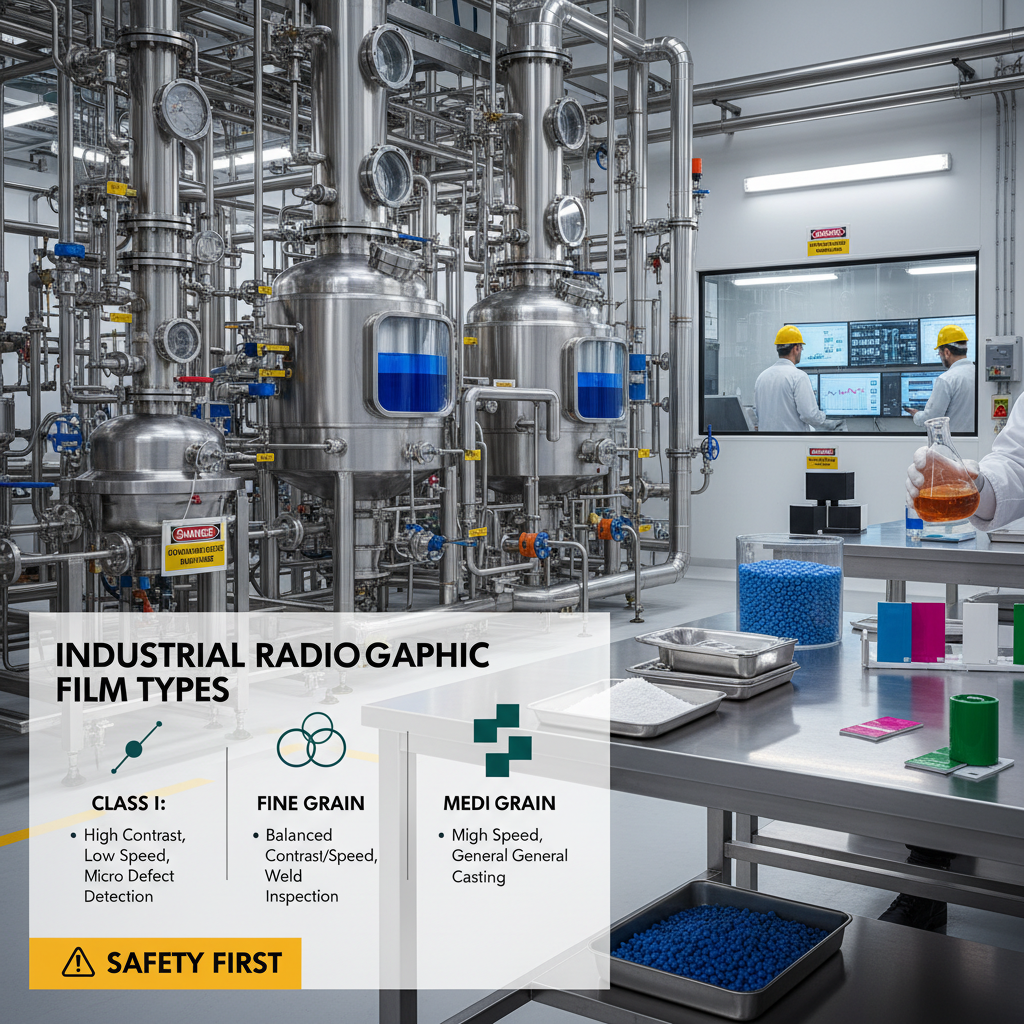
Proper storage and handling are vital for maintaining the quality and sensitivity of radiographic films. Films should be stored in a cool, dry, and dark environment, away from direct sunlight, heat, and radiation. Exposure to these elements can degrade the film and affect its performance. Always follow the manufacturer's recommendations for storage temperature and humidity. Proper handling techniques, such as avoiding scratches and fingerprints, are also essential. LK International provides comprehensive guidelines for film storage and handling to ensure optimal results.
Selecting the appropriate industrial radiographic film is paramount for achieving accurate and reliable NDT results. Understanding the different types, their characteristics, and proper handling procedures is crucial for professionals in the field. LK International provides a comprehensive range of films and expert support to help you choose the optimal solution for your specific needs. Investing in high-quality films and proper training ensures both safety and accuracy in your radiographic inspections.
Several factors influence film selection. The material being inspected (thickness, composition), the radiation source (energy level, type), the desired level of detail, and the required sensitivity are all crucial considerations. For instance, thicker materials require faster films, while high-resolution imaging demands slower, higher-contrast options. Furthermore, the specific application – whether it’s detecting surface flaws or internal defects – will guide your choice. Consulting with a radiography expert or supplier like LK International is highly recommended.
Film processing is a critical step in radiographic testing. Accurate temperature and time control during development are essential for achieving optimal image contrast and density. Inconsistent processing can lead to over- or under-development, resulting in images with poor quality or inaccurate defect representation. Using a properly maintained and calibrated processor, and following the film manufacturer’s instructions are crucial for consistent, high-quality results.
Radiographic film contains silver halide crystals which can be sensitive to light and radiation. Always handle film in a darkroom or under safe lights to prevent unwanted exposure. Avoid bending or scratching the film, as this can create artifacts and compromise image quality. Dispose of used film properly in accordance with environmental regulations. And always follow your organization's safety protocols when working with radiographic materials.
Class A and Class B films differ primarily in their granularity and resolution. Class A films generally have finer grain and higher resolution, making them suitable for detecting small defects and examining fine details. Class B films have a coarser grain and are typically used for applications where speed is more critical than resolution. The choice between the two depends on the specific inspection requirements and the level of detail needed. LK International can help you determine the appropriate film class for your application.
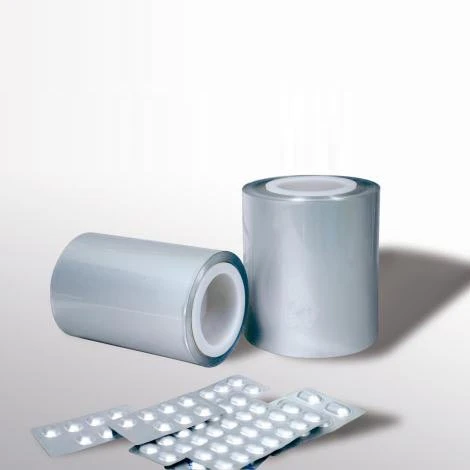
Lucky Medicinal Cold-Forming Composite Material
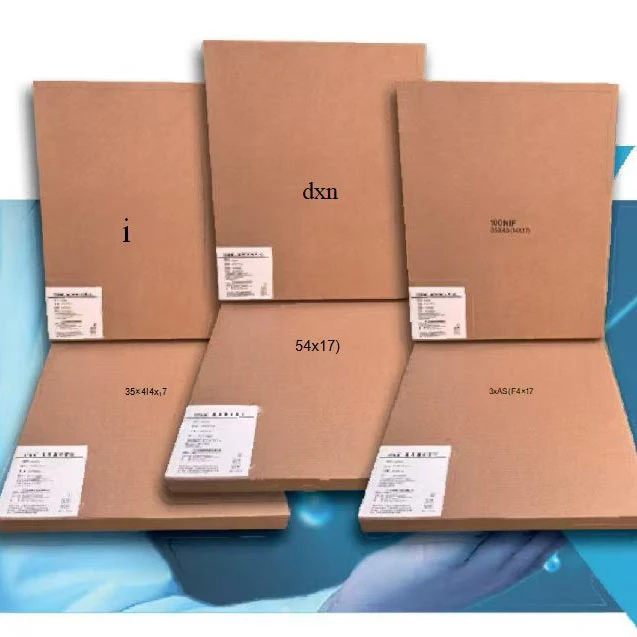

Understanding Photographic Processing Chemicals for Optimal Image Quality