

Mar . 17, 2026
Industrial radiography film is a crucial component in non-destructive testing (NDT), enabling the detection of internal flaws and defects in materials without causing damage. This article provides an in-depth exploration of this technology, covering its applications, types, handling procedures, and emerging trends. We'll delve into the importance of choosing the right film for your specific needs and how LK International can assist you in sourcing high-quality radiography film. Accurate inspection is vital for ensuring product quality and safety, and this guide will empower you with the knowledge to optimize your radiography processes.
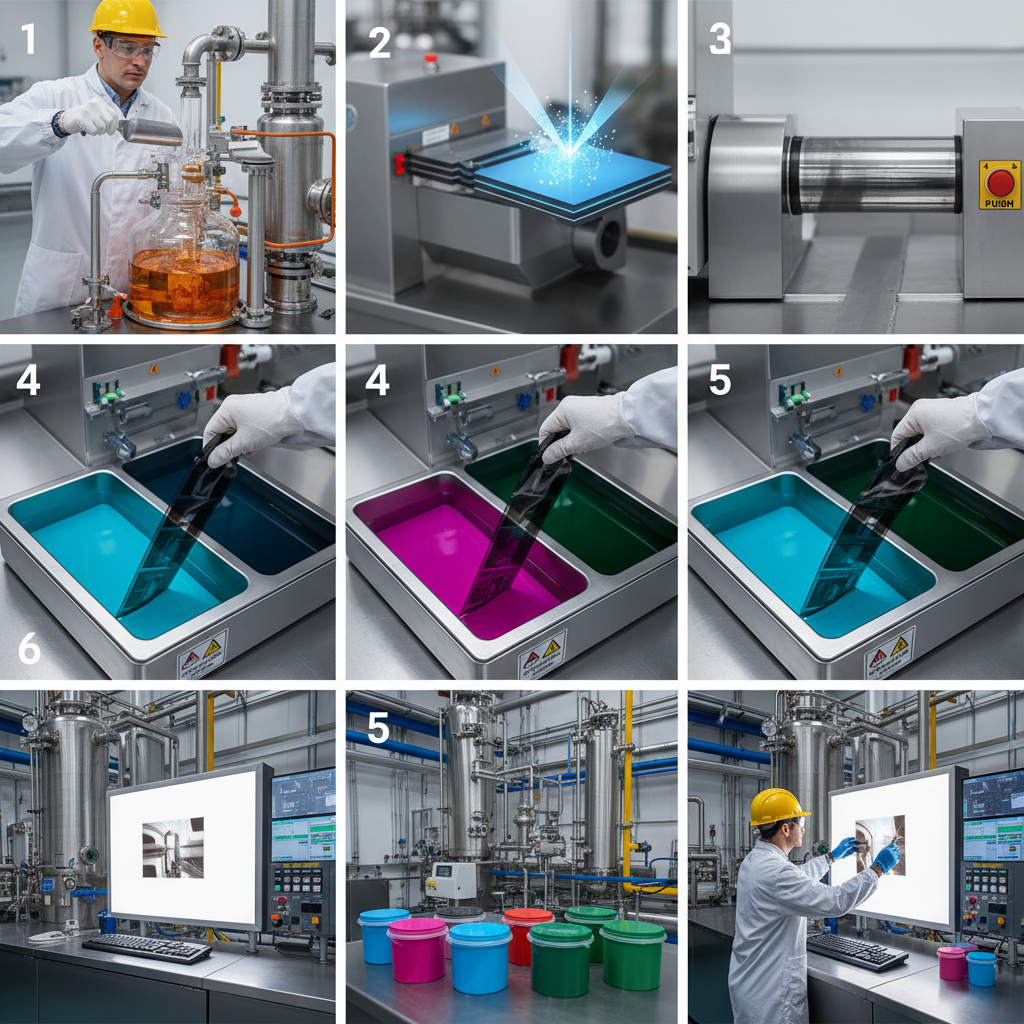
At its heart, industrial radiography utilizes ionizing radiation – typically X-rays or gamma rays – to penetrate a test object. The radiation is absorbed to varying degrees depending on the material’s density and thickness. This differential absorption creates a latent image on the radiography film, which is then chemically processed to reveal a visible image. Areas where the radiation was absorbed more readily appear darker, while areas with less absorption appear lighter, effectively showcasing internal structures and any potential flaws. Understanding the relationship between radiation energy, material density, and film sensitivity is key to successful radiographic inspection. LK International offers a range of films suited to diverse applications and energy levels.
Key Takeaway: Industrial radiography film visualizes internal structures by revealing differential radiation absorption, allowing for flaw detection without material damage.
Several types of industrial radiography film are available, each designed for specific applications. These films can be categorized based on their speed, contrast, and spectral sensitivity. Single-coated films offer high contrast and are often used for detecting small defects. Double-coated films provide greater sensitivity and are ideal for applications requiring lower radiation doses. Furthermore, films are classified by their speed: Slow-speed films offer high resolution but require longer exposure times, while fast-speed films require less exposure but may have lower resolution. Choosing the correct film type is critical for achieving optimal image quality and minimizing inspection time.
Film Type Considerations:
• Speed: Impacts exposure time and image resolution.
• Contrast: Determines the clarity of defect visualization.
• Coating: Single or double-coated for varying sensitivity levels.
Selecting the appropriate film requires careful consideration of its characteristics. Below is a comparison of common film types, offering insight into their strengths and weaknesses. Understanding these distinctions will allow you to optimize your inspection process and ensure accurate results. LK International offers expert guidance in selecting the ideal film for your specific requirements.
Proper handling and processing are paramount for obtaining high-quality radiographic images. Film should be stored in a cool, dry, and dark environment to prevent fogging. Exposure to light, heat, or moisture can compromise the film's sensitivity and image clarity. The developing process involves several stages: developing, fixing, washing, and drying. Maintaining precise control over temperature and chemical concentrations is critical. Automated processing systems offer consistent results and reduced processing times. Following these guidelines will ensure the reliability and accuracy of your radiographic inspections.

The field of industrial radiography is constantly evolving. Digital radiography (DR) and computed radiography (CR) are gaining prominence, offering advantages such as instant image viewing, enhanced image manipulation, and reduced chemical waste. These technologies are becoming increasingly cost-effective and accessible. However, film-based radiography remains a valuable tool, particularly in applications where high resolution and sensitivity are essential. LK International stays at the forefront of these advancements, providing both traditional film solutions and cutting-edge digital radiography systems.
Choosing the right industrial radiography film and implementing proper handling procedures are crucial for ensuring accurate and reliable inspection results. LK International is a trusted partner, offering a comprehensive range of films, accessories, and expert guidance to help you optimize your radiography processes and maintain the highest standards of quality and safety.
Handling radiography film requires adherence to strict safety protocols. Always store film in a designated, secure location away from light, heat, and moisture. Use appropriate shielding during exposure and processing to minimize radiation exposure. Follow all local and national regulations regarding the handling and disposal of radiographic materials. Proper ventilation is crucial in processing areas. Wearing appropriate personal protective equipment (PPE), such as gloves and safety glasses, is also recommended. Regular training on safe handling procedures is essential for all personnel involved.
The shelf life of industrial radiography film varies depending on the film type and storage conditions. Generally, unopened film can be stored for up to two years under optimal conditions (cool, dry, and dark). However, it’s crucial to check the manufacturer’s expiration date printed on the packaging. Expired film may exhibit reduced sensitivity and increased fogging, leading to inaccurate results. First-in, first-out (FIFO) inventory management is recommended to ensure that older film is used before newer stock.
Film speed and image quality are inversely related. Faster films require less exposure time, making them ideal for applications where speed is critical. However, faster films typically have lower resolution and contrast, resulting in less detailed images. Slower films offer higher resolution and contrast but require longer exposure times, potentially increasing the risk of motion blur. The optimal film speed depends on the specific application and the desired balance between speed and image quality.
LK International is a leading supplier of high-quality industrial radiography film. We offer a comprehensive range of film types from trusted manufacturers, ensuring consistent performance and reliability. Our team of experts can provide guidance in selecting the optimal film for your specific application and offer competitive pricing and fast delivery. Contact us today to discuss your radiography needs.
Lucky Medicinal Cold-Forming Composite Material
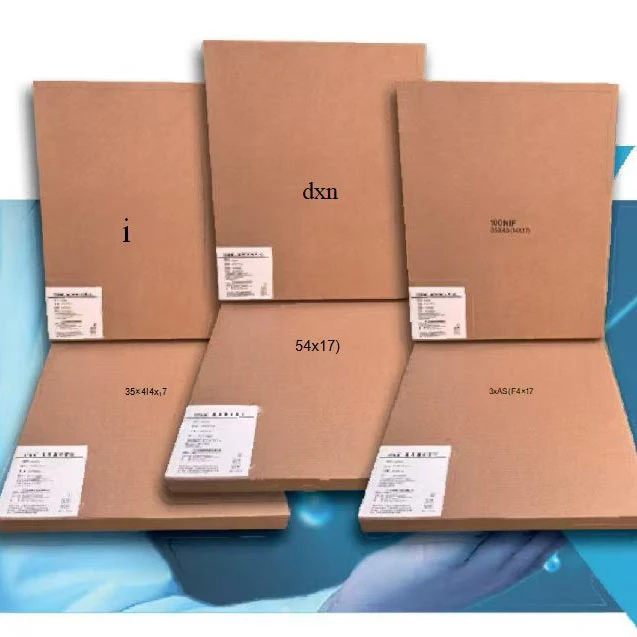
Premium Inkjet Printing Paper | Crisp & Vivid Prints