

Sep . 02, 2025
The photographic industry is continually evolving, with significant advancements in substrates, emulsions, and processing techniques. While digital photography dominates consumer markets, the demand for high-quality physical prints, especially in artistic, archival, and specialized industrial applications, remains robust. This sustained demand drives innovation in specialized media, including color photo paper and its monochrome counterparts. Key trends include enhanced archival stability, broader color gamut reproduction, improved print durability, and the development of eco-friendlier manufacturing processes.
Specialized photographic papers, such as those optimized for specific printing technologies or artistic effects, are gaining traction. For instance, the resurgence in analog photography has bolstered the market for traditional silver halide papers, emphasizing the unique aesthetic and tactile experience they offer. Simultaneously, advancements in inkjet receptive coatings are pushing the boundaries of what can be achieved with digital printing on photographic-grade substrates, bridging the gap between traditional darkroom prints and modern digital outputs. The focus on consistent quality, reproducibility, and compliance with international standards like ISO 18916 for permanence and ISO 12646 for color calibration is paramount for B2B applications.
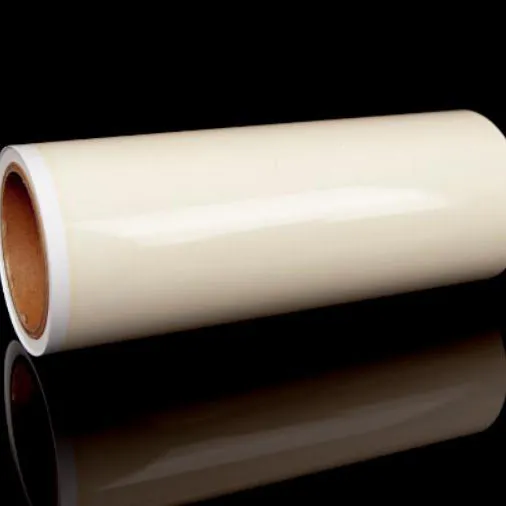
The production of high-performance photo paper, whether for color or specialized applications like black-and-white variable contrast papers, is a highly technical and precise process. It involves multiple stages, from substrate preparation to multi-layer emulsion coating and finishing.
The foundation of any quality photo paper is its substrate. For traditional silver halide papers, this is typically a high-quality paper base, often resin-coated (RC) to prevent chemical absorption and ensure dimensional stability. The resin coating, usually polyethylene, acts as a barrier and provides a smooth surface for emulsion application. For specialized applications such as color photo paper, the base paper must be exceptionally pure and free from optical brighteners that could interfere with color accuracy. Other materials include silver halides (silver bromide, iodide, chloride), sensitizing dyes for color, gelatin binders, and various chemical additives for hardening, anti-fogging, and anti-static properties.
Adherence to international standards is crucial. Key testing standards include:
The typical service life of high-quality archival compu color photo paper can exceed 100 years under proper storage conditions, significantly contributing to the longevity of critical records and artistic works.
These advanced photographic papers are essential in various high-stakes B2B sectors:
Understanding the technical parameters of photographic paper is essential for selecting the optimal product for specific professional applications. These specifications dictate image quality, processing characteristics, and archival properties.
| Parameter | Description | Typical Range/Value | Relevance to B2B |
|---|---|---|---|
| Base Material | Resin Coated (RC) or Fiber Based (FB) | RC (190-260 gsm), FB (250-310 gsm) | Affects durability, tactile feel, and archival properties. RC for general commercial, FB for fine art/archival. |
| Surface Finish | Glossy, Luster, Matte, Pearl | Gloss (90%+), Luster (40-60%), Matte (5-10%) @ 60° angle | Influences visual impact, reflection, and suitability for display environments. |
| Dmax (Maximum Density) | The deepest black achievable, indicating contrast and shadow detail. | Typically 2.2 - 2.5 (higher is better) | Crucial for rich, impactful prints, especially for professional portraits or product photography. |
| Dmin (Minimum Density) | The brightest white achievable, indicating purity of highlights. | Typically 0.03 - 0.05 (lower is better) | Ensures clean whites and good highlight separation. |
| Color Gamut Volume | Range of colors reproducible by the paper, measured in a color space (e.g., Lab or sRGB). | Varies significantly; high-end papers offer extensive coverage. | Essential for accurate brand color reproduction, fine art prints, and demanding commercial work. |
| Archival Rating | Estimated longevity under specified storage conditions (ISO 18916). | 50 - 100+ years (for image stability) | Critical for museums, archives, and long-term legal/medical records. |
| Processing Compatibility | Suitable for specific chemical processes (e.g., RA-4, C-41, or specific B&W developers). | RA-4 standard for C-type prints; specific chemistry for b&w photo paper. | Ensures optimal results and avoids costly processing errors in large-scale operations. |
The versatility of modern photo paper extends across a myriad of professional applications, from high-volume commercial printing to specialized artistic outputs. Each scenario leverages specific properties of the paper to achieve optimal results.
Client: National History Museum Archive Division
Challenge: The museum needed to reproduce and preserve a collection of fragile historical photographs, some dating back to the late 19th century. Digital copies were made, but physical prints with identical archival properties to the originals were required for secure, off-site storage and exhibition rotation.
Solution: We provided a custom batch of fiber-based black and white photo paper and specific color archival paper, meticulously matched for tonal range, surface texture, and ISO 18916 permanence ratings. The papers were chosen for their deep Dmax, neutral tone, and exceptional resistance to environmental degradation.
Result: The museum successfully created a new, stable physical archive. Curator feedback highlighted the exceptional fidelity of the reproductions, noting that the prints were indistinguishable from original silver halide prints in terms of texture and depth, ensuring long-term preservation of invaluable historical assets.
Client: Elite Professional Photography Studio
Challenge: The studio required a consistent, high-quality, and cost-effective photo paper for high-volume client orders (portraits, events, corporate headshots). Previously, they faced inconsistencies in color reproduction and surface finish across different paper batches from various suppliers.
Solution: We supplied a dedicated batch of premium luster color photo paper, specifically designed for RA-4 processing, ensuring consistent Dmax, Dmin, and color rendition across all orders. Our technical team provided ICC profiles and conducted calibration sessions to integrate the paper seamlessly into their existing workflow.
Result: The studio reported a 20% reduction in re-prints due to color inaccuracies and a significant improvement in client satisfaction. The paper's durability also reduced post-production damage during mounting and framing. The consistent quality enhanced the studio's brand reputation for excellence.
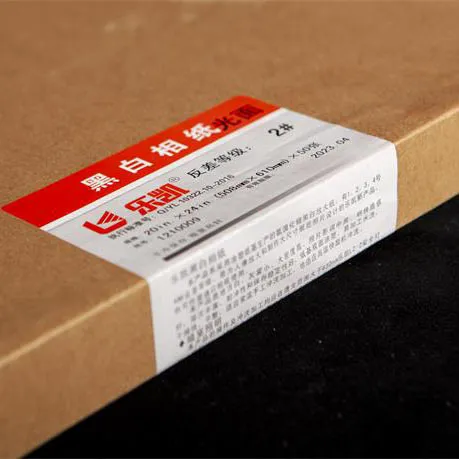
Choosing the right photo paper vendor involves more than just price; it requires evaluating technical support, customization capabilities, and long-term reliability. Our commitment to expertise and customer-centric solutions sets us apart.
When selecting a supplier for professional photographic paper, consider the following:
| Feature | Standard Consumer Photo Paper | Professional Color Photo Paper (e.g., ours) | Specialized B&W Variable Contrast Paper (e.g., our product) |
|---|---|---|---|
| Primary Use | Everyday prints, home use | Commercial photography, fine art, professional albums | Artistic B&W photography, darkroom enthusiasts, archival B&W prints |
| Emulsion Layers | Fewer, simpler color layers | Multiple, optimized color dye-forming layers | Dual-emulsion for variable contrast control (blue/green sensitivity) |
| Archival Life | Typically 10-30 years | 50-100+ years (ISO 18916 compliant) | 100+ years (ISO 18916 compliant) |
| Color Gamut | Standard sRGB coverage | Extended Adobe RGB or wider coverage | Not applicable (monochrome tonal range) |
| Contrast Control | Fixed contrast | Fixed contrast (optimised for specific processing) | Variable contrast (controlled by filtration) |
| Surface Options | Limited (Glossy, Semi-Gloss) | Extensive (Glossy, Luster, Matte, Pearl, Metallic) | Extensive (Glossy, Satin, Pearl, Matte) |
Recognizing that off-the-shelf solutions may not always meet specialized industrial or artistic demands, we offer tailored manufacturing and supply services:
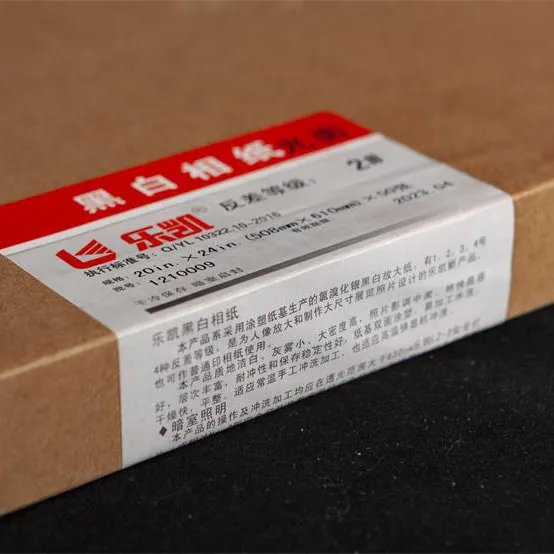
Building long-term B2B relationships requires unwavering trust, transparency, and reliable support. We are committed to providing clear information regarding our products and services.
A: For optimal longevity and to prevent fogging or color shifts, photographic papers should be stored in their original sealed packaging in a cool, dry place, ideally at 10-20°C (50-68°F) and 30-50% relative humidity. Avoid direct sunlight, excessive heat, and chemical fumes.
A: Our papers are designed for optimal performance with standard industry chemistries (e.g., RA-4 for color, specific variable contrast developers for B&W). While some compatibility with alternative processes may exist, we strongly recommend using specified chemistry for guaranteed results and warranty validity. Consult our technical data sheets for precise recommendations.
A: Yes, we provide generic ICC profiles for our standard paper lines. For custom solutions or specific printer/processor combinations, our technical support team can assist with creating bespoke profiles to ensure accurate color management and optimal output for your compu color photo paper.
A: Many of our paper bases are sourced from FSC-certified forests, and we continuously work to optimize our manufacturing processes for reduced environmental impact. Specific certifications vary by product line; please refer to individual product data sheets for details.
We understand the importance of timely delivery for B2B operations. Our standard lead times for in-stock color photo paper products are typically 3-5 business days for domestic shipments and 7-14 business days for international orders, following order confirmation. For custom solutions or large bulk orders, lead times will be quoted based on manufacturing schedules and material availability. We operate robust logistics networks to ensure efficient and secure delivery.
All our photographic papers come with a comprehensive manufacturer's warranty covering defects in material and workmanship. This warranty typically extends for 12 months from the date of purchase, provided the product has been stored and handled according to our recommended guidelines. Claims are subject to inspection and verification by our quality assurance team. Our commitment extends to ensuring batch consistency and performance as per technical specifications.
Our dedicated B2B customer support team is available to assist with product selection, technical inquiries, order tracking, and post-sales support. We offer:
For inquiries, please contact us via the details provided on our website. We are committed to your success and the flawless execution of your photographic printing projects.
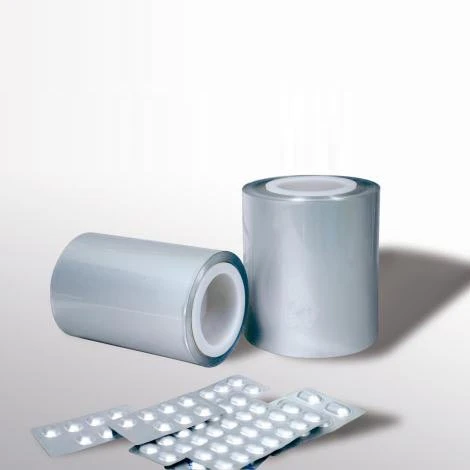
Lucky Medicinal Cold-Forming Composite Material
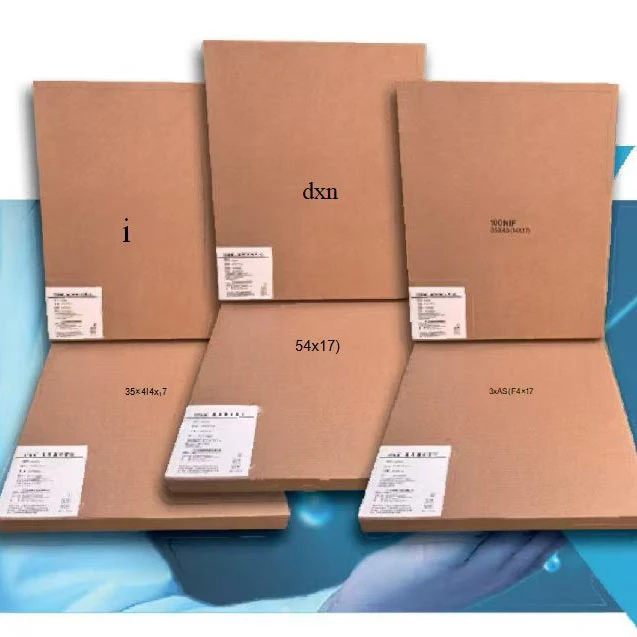
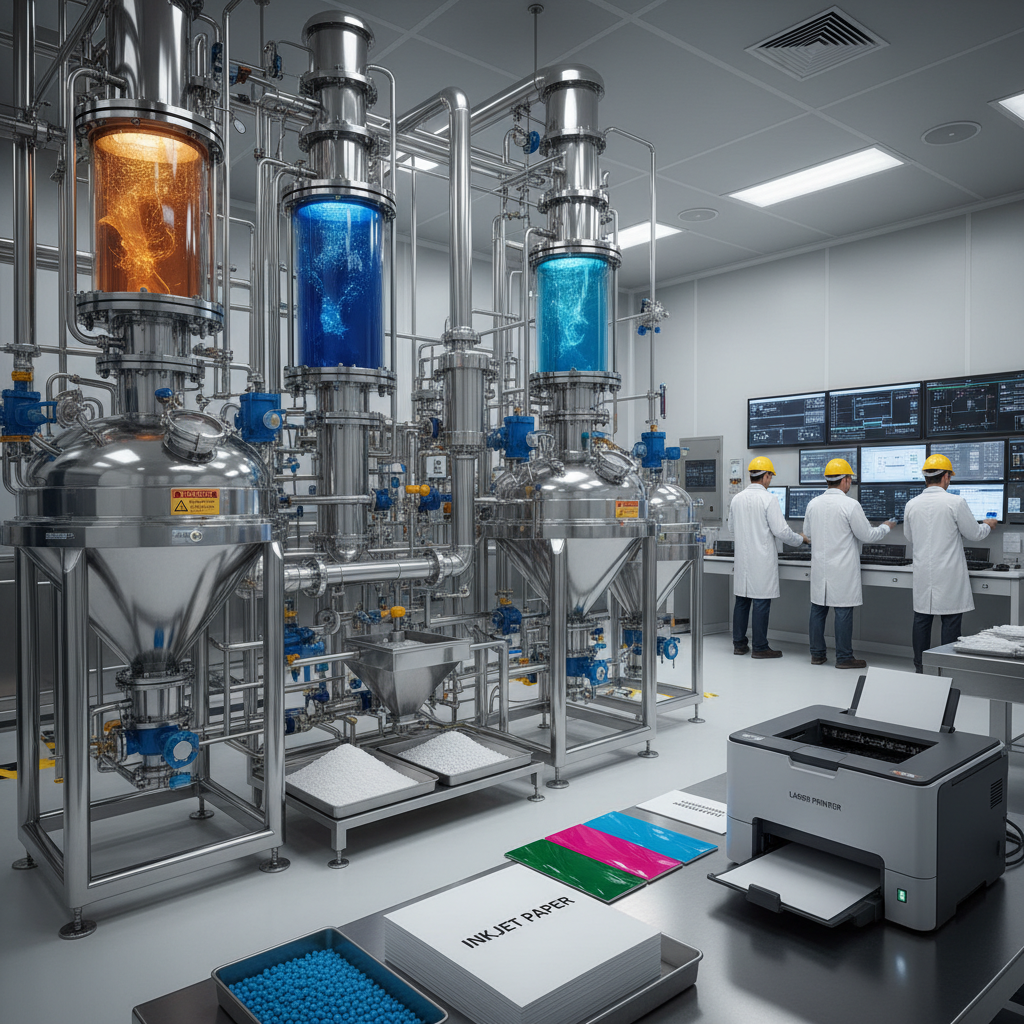
Understanding the Risks of Using Inkjet Paper in a Laser Printer for Optimal Results