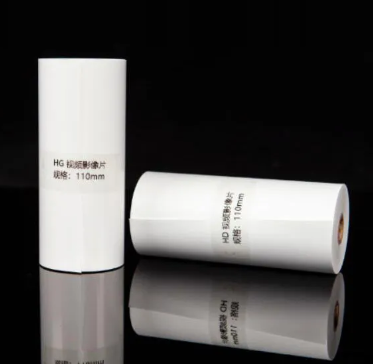
Understanding 16x20 Photo Paper: A Global Perspective
When we think about photo paper, the image that pops into mind is usually a small print tucked in a wallet or pinned on a fridge. Yet, 16x20 photo paper plays a much bigger role globally than you might expect. It’s that sweet spot of size — large enough to showcase detail, yet portable enough for a lot of uses ranging from professional photography to educational posters and art exhibits. And here’s the catch: understanding this product opens doors for industries, artists, educators, even humanitarian groups around the world.
Introduction: The Global Context of 16x20 Photo Paper
It might surprise you, but the demand for large-format photo paper like the 16x20 size is on an upward trajectory. According to a recent market analysis by Smithers Pira, the global market for digital photo paper is expected to surpass USD 30 billion by 2026, driven partly by photo printing revival trends. But beyond consumer nostalgia, 16x20 photo paper caters to professional fields: galleries displaying fine art, schools printing large educational visuals, corporations creating vibrant marketing collaterals. Not to mention countries seeking durable media for documenting cultural heritage or disaster relief imagery.
That emphasis on “durable and high-quality” matters — many regions face climate challenges where printed materials must endure, say, high humidity or strong sunlight, without fading. Here, 16x20 prints become crucial for communication, education, and preserving memories.
Mini Takeaway: The 16x20 photo paper format isn’t just about size — it’s an important global printing solution balancing quality, durability, and practicality.
Definition & Meaning of 16x20 Photo Paper
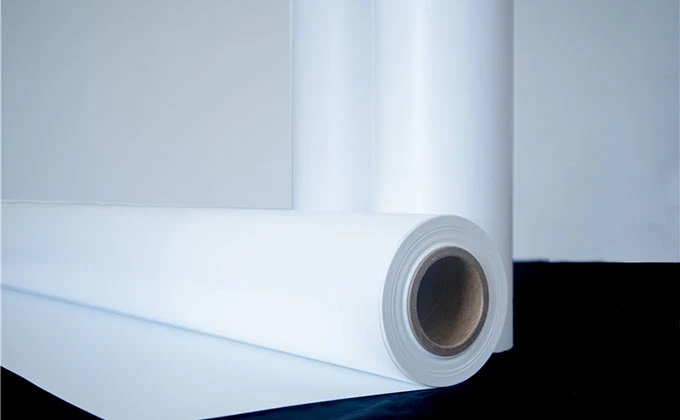
Simply put, 16x20 photo paper refers to photographic paper sized 16 inches by 20 inches. That’s big enough to capture detail but manageable enough for framing or display. But what really sets it apart is the paper’s coating and finish — gloss, matte, or luster — designed specifically for photographic prints. The surface chemistry allows vivid colors and sharp contrast to come through, critical for reproducing images as the artists or photographers intended.
In modern industry terms, this paper supports everything from museum-grade prints to promotional materials. For humanitarian needs, 16x20 prints can document environments, provide instructional visuals, or deliver messages in locales with limited internet access.
Key Factors of 16x20 Photo Paper
1. Durability
Whether handling frequent transport or fluctuating environmental conditions, 16x20 photo paper must resist fading and curling. Archival-grade papers incorporate acid-free materials to enhance lifespan, sometimes extending well beyond 50 years if properly stored.
2. Color Accuracy
True-to-life reproduction hinges on the paper’s ability to absorb and reflect inks or dyes effectively. Higher-end papers feature microporous coatings that breathe life into the subtle gradations of light and shadow.
3. Surface Finish
The choice between matte, semi-gloss, or glossy finishes affects glare and depth perception. Matte can reduce reflections but slightly mute colors, while glossy surfaces intensify vibrancy.
4. Compatibility & Scalability
Many users look for paper that’s compatible with different printers—from Epson’s advanced inkjets to Canon dye-sublimation. Consistency in quality across bulk prints is vital for businesses producing marketing materials or photography portfolios.
5. Cost Efficiency
Balancing cost against quality and longevity is no small feat. Bulk purchasing options and vendor reliability can tip the scales, especially for organizations running tight budgets.
Mini Takeaway: The best 16x20 photo paper blends durability, color fidelity, surface finish, and printer compatibility without breaking the bank.
Product Specifications of 16x20 Photo Paper
| Specification |
Typical Value |
Notes |
| Dimensions |
16" x 20" (406 x 508 mm) |
Standard large print size |
| Weight |
210 – 310 gsm |
Heavier paper tends to be sturdier |
| Finish Options |
Glossy, Matte, Luster |
Affects sheen and color depth |
| Acid-Free |
Yes |
Ensures archival quality |
| Compatibility |
Inkjet & Dye-Sublimation Printers |
Widely usable |
Global Applications & Use Cases
So, where does 16x20 photo paper actually make a difference? Let’s look around:
- Art Exhibitions: Galleries in Europe and North America commonly use 16x20 prints for photography showcases, balancing impressive visuals with manageable frame sizes.
- Education: Schools in Asia and Africa print large educational charts and illustrated guides using this paper size to enhance learning, especially in low-tech classrooms where digital screens aren’t available.
- Marketing & Advertising: Startups and large corporations alike leverage 16x20 prints for in-store displays and trade shows, particularly in fast-growing markets like India and Brazil.
- Humanitarian Efforts: NGOs document projects visually, print instructions for on-site workers, and create compelling awareness campaigns in disaster-prone areas like the Caribbean or Southeast Asia, where internet connectivity is spotty.
Even oddly enough, some wildlife preservation projects use large format prints to create detailed informational signage in remote parks.
Mini Takeaway: The 16x20 format’s versatility makes it a quiet hero in everything from classrooms to conflict zones.
Vendor Comparison: Popular 16x20 Photo Paper Providers
| Vendor |
Finish Options |
Price per Sheet (USD) |
Archival Quality |
Printer Compatibility |
| Canon Luster |
Luster, Glossy |
$1.50 |
Yes |
Inkjet |
| Epson Ultra Premium Matte |
Matte |
$1.75 |
Yes |
Inkjet |
| Hahnemühle Photo Rag |
Matte |
$2.50 |
Yes, museum-grade |
Inkjet |
| Ilford Galerie Prestige Gold Fibre Silk |
Silk matte |
$2.20 |
Yes |
Inkjet |
Advantages & Long-Term Value
So why pick 16x20 photo paper over other sizes or digital alternatives? Firstly, there’s the cost-effectiveness that comes with a “just-right” size — large enough for impact yet economical when it comes to framing or storage. The archival quality lends itself to long-term preservation of important visuals, which is why museums and galleries swear by it.
Beyond the tangible, using physical prints uniquely fosters an emotional connection. A print quietly hung on a wall can inspire, inform, elicit pride, or bring comfort in ways screens sometimes can’t. In humanitarian settings, having clear printed imagery supports dignity and trust — vital when delivering aid or education.
Future Trends & Innovations
The paper industry is not standing still. Oddly enough, there are now efforts to combine sustainability with quality: plant-based coatings replacing traditional chemical ones, and biodegradable bases helping reduce landfill strain. Digital advances such as smart inks and printable electronics could soon add interactive elements to your 16x20 prints — think QR codes embedded invisibly that link to digital galleries.
Moreover, automation in cutting and packaging means faster turnaround and consistent quality even for bulk orders. So the future for large-format photo paper looks quite green and tech-friendly.
Challenges & Solutions
Of course, it’s not all perfect. A common complaint is how delicate photo paper can be — susceptible to fingerprints, scratches, or environmental damage if not handled correctly. But many manufacturers now apply protective coatings that resist moisture and smudging.
Then there’s the issue of printer compatibility. Not every printer handles thick or coated paper well, which means users often need specialized printers or must balance cost with quality. A practical tip: always check vendor specifications and test samples before committing to large orders.
FAQ: Frequently Asked Questions About 16x20 Photo Paper
- Q: What printer types best suit 16x20 photo paper?
- A: Inkjet and dye-sublimation printers are generally preferred for 16x20 photo paper due to their precision in color reproduction and compatibility with thicker substrates.
- Q: How long does 16x20 photo paper last?
- A: Archival-quality photo paper can last 50 years or more under optimal conditions, including minimal light exposure and acid-free storage.
- Q: Is 16x20 photo paper eco-friendly?
- A: Some brands now offer acid-free, recycled, or plant-based coated papers that minimize environmental impact, although traditional photo papers have a higher carbon footprint.
- Q: Can I use 16x20 photo paper for outdoor signage?
- A: While 16x20 photo paper is not inherently weatherproof, lamination or UV-resistant coatings can make prints suitable for short-term outdoor use.
- Q: Where can I buy quality 16x20 photo paper in bulk?
- A: Professional photo supply stores, online vendors, and manufacturers like Canon, Epson, and Hahnemühle often offer bulk purchasing options with better pricing.
Conclusion
In real terms, 16x20 photo paper balances practical size, durability, and quality, making it an indispensable tool across industries and borders. Whether you’re a photographer, an educator, a marketer, or part of a humanitarian mission, understanding this product helps you communicate and preserve with confidence. Curious to see some options or get started? Visit our website: https://www.lkintl.com
It’s always fascinating how something as simple as the right-sized photo paper can ripple across sectors and help tell stories that matter.
References
- Wikipedia: Photographic paper
- Smithers Pira: Future of Digital Printing Materials
- ISO 9706: Paper for documents – Archival properties