Understanding X Ray Film Size: Why It Matters More Than You Think
When we talk about x ray film size, it might sound like something only radiologists or medical technicians fuss over. But, honestly, this seemingly niche detail plays a surprisingly big role in global healthcare, industrial inspection, and even humanitarian missions. Knowing the right size and type of X-ray film can be a game-changer—not just for image quality but for logistics, cost, patient comfort, and efficiency. From simple dental X-rays to complex aerospace material checks, getting the x ray film size right means better diagnostics, faster processing, and, ultimately, better outcomes.
The Global Importance of X Ray Film Size
The global X-ray film market is worth billions annually, with usage spanning hospitals, manufacturing plants, security, and research institutions. According to the World Health Organization and ISO standards, standardized film sizes help maintain consistency across borders, enabling better data sharing and training in radiography.
Yet, one challenge that keeps popping up is adapting film size to increasingly specialized needs—from portable X-ray machines used in developing countries to high-resolution imaging in cutting-edge labs. Balancing size, resolution, and practical constraints is a constant juggling act. This is where understanding x ray film size nuances can improve efficiency and even save lives.
Mini takeaway: Standardizing and choosing the right film size is a global issue with practical hands-on impact.
What Exactly Does X Ray Film Size Mean?
Simply put, x ray film size refers to the physical dimensions of the sheet or cassette used to capture X-ray images. This dimension directly affects the field of view, image clarity, ease of handling, and compatibility with various machines.
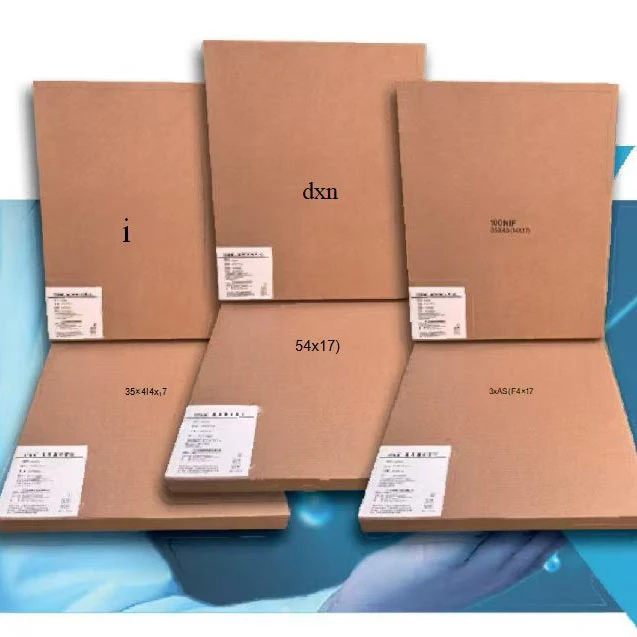
In the broader tech and industrial world, film sizes vary widely — from small 3x4 inch films used in dental offices to massive 14x17 inch sheets for chest radiographs or quality checks on aircraft parts. The film choice often depends on the area needing examination and the resolution required.
Mini takeaway: X ray film size is less about the film itself and more about what it enables.
Core Factors Affecting the Choice of X Ray Film Size
1. Image Quality and Resolution
Larger films generally capture more detail, covering wider anatomical areas or complex machinery surfaces. But if you only need a quick shot of a finger joint, a smaller size is cheaper and easier to handle. The trick is matching size to clinical or inspection needs without wasting resources.
2. Durability and Handling
Some films are more robust for harsh environments, especially in industrial radiography. Bigger films tend to be more fragile and require careful storage, while smaller ones are portable and less prone to damage.
3. Compatibility with Equipment
Machines are generally standardized for common sizes like 8x10” or 14x17”. But some specialized equipment demands custom sizes. Having the right x ray film size ensures seamless integration without retooling or costly adapters.
4. Cost Efficiency and Waste Reduction
Not all projects need the largest size available. Using a film size bigger than required unnecessarily increases cost. Smaller film sizes reduce material waste, storage needs, and transportation bulkiness — all important when shipping to remote clinics or responders.
5. Regulatory and Environmental Factors
Environmental regulations increasingly encourage minimizing waste. Choosing films that fit the need without excess helps comply with ISO and local standards, plus reduces chemical processing loads during film development.
Mini takeaway: It’s about balancing image needs, durability, cost, and regulations.
How Different Sectors Use X Ray Film Sizes Worldwide
The use of x ray films spans across many diverse sectors and regions. Hospitals in Europe typically adhere to the ISO standard 14x17 inch films for chest X-rays. Meanwhile, dental clinics tend to use very small sizes—for instance, 2x3 inch films for oral cavities.
In post-disaster relief operations—say after an earthquake in Southeast Asia—portable X-ray devices paired with smaller film sizes allow quick diagnostic scans even in makeshift hospitals. Similarly, industrial sites in remote Australia employ custom large-format films to inspect oil pipelines or aircraft parts, where precision and coverage matter. Organizations like the Red Cross and Doctors Without Borders often stock multiple standardized film sizes to adapt quickly.
Mini takeaway: Diverse needs call for flexible but well-thought-out film size standards.
The Tangible Advantages of Understanding Proper Film Sizes
- Cost savings: Buying or using the correct size optimizes budget and reduces waste.
- Improved patient care: Faster image acquisition, better resolution, less retakes.
- Sustainability: Smaller, precise film sizes reduce environmental impact.
- Equipment longevity: Using the right sizes prevents overloading or damaging machines.
- Trust & reliability: Both patients and users feel confident knowing the imaging is accurate.
Mini takeaway: Smart choices in x ray film size improve both the bottom line and outcomes.
Looking Ahead: Trends and Innovations in X Ray Film Sizing
The move toward digital radiography is obvious, but analog film isn’t going away anytime soon, especially in parts of the world where infrastructure limits adoption. What’s new is the integration of hybrid systems that adapt size and exposure based on AI analysis. Some firms are developing recyclable, environmentally friendly films that come in optimized sizes to reduce chemical waste.
Additionally, automation in film handling and processing is pushing for standardized sizes so robots can reliably handle big batches without errors. Green energy-powered film processors are also part of the future, with eco-conscious hospitals leading the way.
Mini takeaway: The future of film sizing is smart, sustainable, and hybrid.
Common Challenges and Smart Solutions
One common snag is the lack of universal size standards across industries, making multi-purpose use and procurement tricky. Also, transporting large films to remote areas proves cumbersome.
Solutions include developing modular film cassettes adaptable to different sizes, on-site film cutting techniques, and better education for procurement officers. Some companies offer subscription models that include the right film sizes plus support — quite handy if you’re managing multiple clinics or inspection sites.
Mini takeaway: Challenges exist but creative approaches are bridging the gaps.
FAQ: Practical Questions on X Ray Film Size
Q1: What is the most common X ray film size for chest radiography?
The most commonly used film size for chest X-rays is 14x17 inches (35x43 cm). This size provides a wide field of view to capture the entire thoracic cavity in one image. It's a global standard in hospitals and clinics, balancing image clarity with manageable handling.
Q2: Can smaller film sizes be used effectively for pediatric imaging?
Absolutely. Smaller film sizes like 8x10 inches or even 5x7 inches are often preferred in pediatric radiography to limit exposure and precisely focus on the area of interest, minimizing unnecessary radiation and improving comfort.
Q3: How does film size affect costs in industrial radiography?
Larger films cost more to produce, store, and process and can increase waste in film chemicals. Additionally, handling and shipping bigger film sizes raise logistic costs. Using the smallest appropriate size lowers expenses without sacrificing diagnostic quality.
Q4: Are there any environmental impacts related to X ray film sizes?
Yes, larger films consume more chemical developers and produce more waste. By optimizing film size to actual use cases, facilities can reduce their environmental footprint. Recycling programs and eco-friendly films help but sizing choices remain critical.
Q5: How can I ensure my X-ray machines are compatible with specific film sizes?
Always check the manufacturer’s specifications for your equipment. Most machines support standard sizes, but specialized or portable units may require custom film formats. Consulting suppliers or technical manuals helps avoid costly incompatibility.
X Ray Film Size Specification Table
| Film Size |
Dimensions (inches) |
Typical Use |
Resolution Type |
Average Cost per Pack |
| Small |
3 x 4 |
Dental, Extremities |
High |
$15 |
| Medium |
8 x 10 |
Pediatric, Limb X-rays |
Medium |
$25 |
| Large |
14 x 17 |
Chest, Industrial Inspection |
High |
$40 |
Vendor Comparison: X Ray Film Sizes and Features
| Vendor |
Available Sizes |
Eco-Friendly Options |
Custom Sizing |
Global Shipping |
| Radiant Films Inc. |
3x4, 8x10, 14x17 |
Yes |
No |
Worldwide |
| ClearView Medical |
All standard sizes + custom |
Limited |
Yes |
Regional only |
| EcoRad Solutions |
8x10, 14x17 |
100% recycled film |
No |
Worldwide |
Wrapping Up: Why Getting X Ray Film Size Right Matters Long-Term
Choosing the correct x ray film size isn’t just a minor technical detail. It’s a decision with ripple effects in care quality, cost management, and environmental impact. As digital trends advance and industries diversify, understanding and selecting the best film size remains foundational to efficient, sustainable operations in medical and industrial radiography alike.
If you want to dive deeper into available sizes, technical specs, or procurement advice, visit our site at https://www.lkintl.com — your resource for up-to-date information and quality film products.
References
- ISO Standards on Medical Imaging
- World Health Organization - Radiology Practices
- Wikipedia: X-ray film