

Oct . 11, 2025
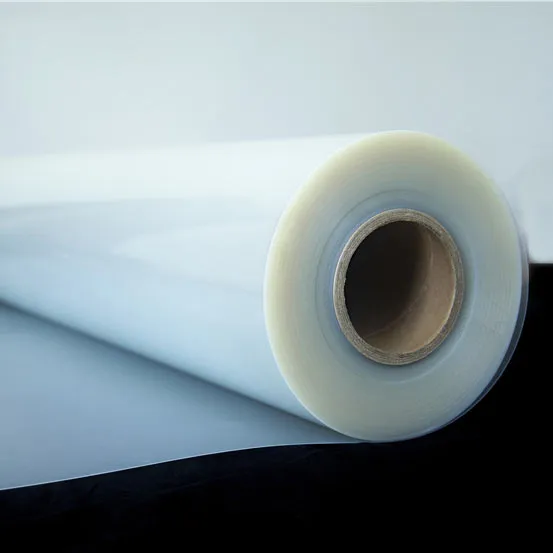
If there’s one quiet hero inside a PV module, it’s the solar backsheet. It sits on the back, takes the heat (literally), blocks moisture, and keeps the module electrically safe while the front glass gets all the glory. Lucky Cpct1 Solar Backsheet, manufactured at No. 6, Lekai South Street, Baoding, Hebei, China, is one I’ve seen pop up in more factory audits lately—mainly because of its adhesive reliability and thermal stability. The adhesive layer uses a fluorinated coating, which, in practice, tends to hold up better in damp heat cycles than many commodity stacks.
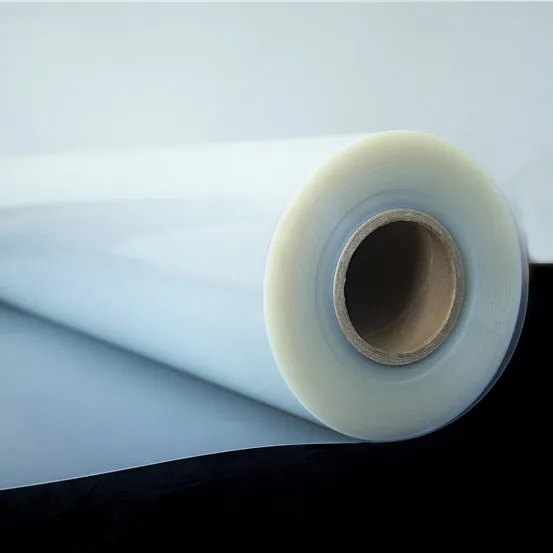
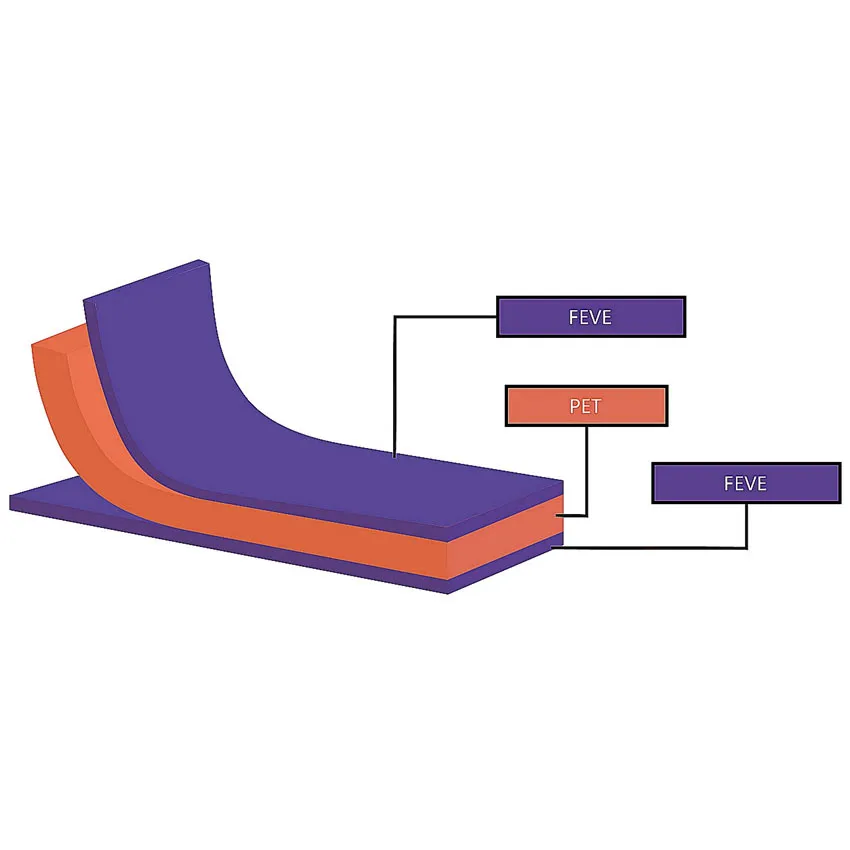
Under the skin, a modern solar backsheet is a laminated film stack—typically a fluoropolymer outer layer, a PET core, and a primer or adhesive tie-layer. Lucky’s Cpct1 leans into a fluorinated coating approach for the adhesive layer. In practice, that design helps resist hydrolysis and creeping delamination during long damp-heat exposure. Many customers say they see fewer bubble lines after 1,000+ hours DH at 85°C/85% RH, which, to be honest, is what module makers obsess over before a big utility bid.
| Parameter | Lucky Cpct1 (≈, real-world use may vary) |
|---|---|
| Structure | Fluoropolymer / PET / Fluorinated-adhesive coating |
| Total thickness | ≈ 300–350 µm |
| Dielectric breakdown | ≥ 20 kV (IEC 60243 methods) |
| Peel strength (after DH 1000 h) | ≥ 6–10 N/cm (IEC 62788-2-1 guidance) |
| UV resistance | Pass typical UV preconditioning per IEC 61215 |
| Operating temp | -40 to +150°C short-term; ≤ 120°C continuous recommended |
For a solar backsheet, qualification isn’t optional. Look for IEC 61730 safety approval and IEC 61215 reliability, with supporting polymer tests (e.g., volume resistivity under ASTM D257 and tensile under IEC 62788-2-1). Manufacturers typically target 25–30 years in field conditions, but actually, site chemistry matters: ammonia, salt-mist, and high UV flux can separate winners from “almost.” Cpct1 is positioned for rooftop and utility modules; add salt-mist and ammonia certifications if you’re headed to coastal or agri-PV sites.
| Vendor | Stack Type | Notable Strength | Typical Fit |
|---|---|---|---|
| Lucky Cpct1 | Fluoro/PET/Fluorinated-adhesive | Adhesion retention; thermal stability | Utility + rooftop value/performance |
| PVF-based brands | PVF/PET/PVF | Long track record in UV | Bankability-first projects |
| PPE/PET hybrids | Co-extruded hybrids | Mechanical robustness | Heavy snow/wind zones |
| PVDF blends | PVDF/PET/Primer | Chemical resistance | Coastal, industrial air |
A couple of quick case snapshots: a 120 MW desert site in North Africa reported stable IR thermography (no rear hot bands) after a summer at 45–50°C ambient; meanwhile, a coastal C&I portfolio in Southeast Asia noted “clean peel” during teardown after 2,000 h damp-heat. That’s not a guarantee—just field color, but encouraging.
Backsheet failures (cracking, chalking, or yellowing) can force string derates or replacements. Paying a bit more for a solar backsheet with verified adhesion and dielectric strength often saves O&M headaches five to ten years out. I guess that’s the unsexy truth of bankable modules.
References
Lucky Medicinal Cold-Forming Composite Material
Inkjet Printing Paper – Fast-Dry, High-Res, Vibrant Color