

Dec . 12, 2025
Solar Backsheet Suppliers is a key solution in the new energy industry, specifically within photovoltaic industry and Photovoltaic auxiliary materials. This article explores how Baoding Lekai International Ltd. supports professionals with durable, high-performance products, and explains why this product is an ideal choice for businesses in these sectors.
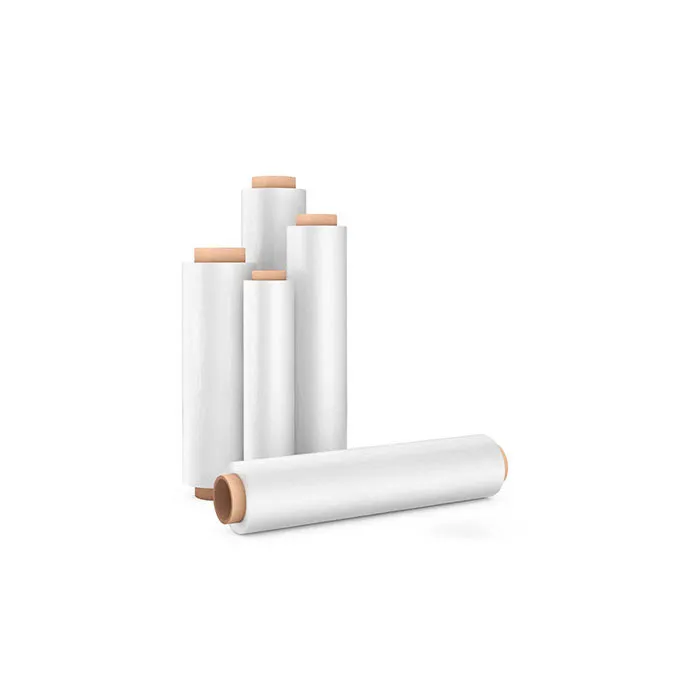
In every backsheet solar panel assembly, the pv module backsheet is the final line of defense—delivering electrical insulation, UV stability, and a moisture barrier to safeguard cells and encapsulants for decades. As Photovoltaic auxiliary materials go, the solar backsheet material sits at the heart of long-term reliability. Typical constructions include fluoropolymer/PET/fluoropolymer (F–PET–F), coated PET, or co-extruded polyolefin options. These solar backsheets are engineered for adhesion with EVA solar backsheet or POE encapsulants, low thermal shrinkage for lamination stability, and high dielectric strength to support 1,000–1,500 V systems. High-reflectance white films can also nudge module output by enhancing backside light return.
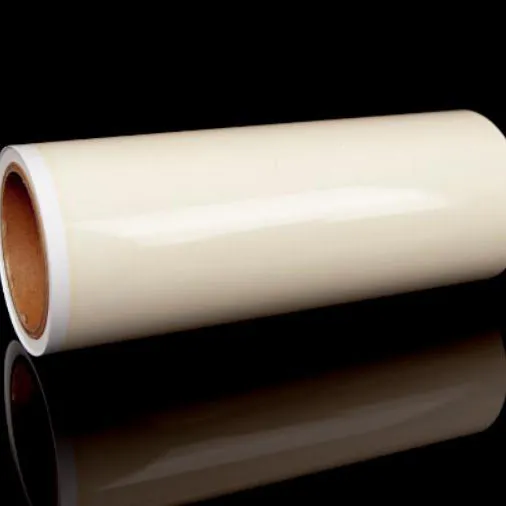
As one of the experienced Solar Backsheet Suppliers, Baoding Lekai International Ltd. integrates polymer film know-how with precision coating and quality control. The company’s Lucky CPCW1 solar back sheet is designed for robust insulation, weatherability, and consistent lamination performance. In practice, OEMs value stable roll-to-roll thickness, smooth surface topology for defect-free layup, and reliable adhesion to encapsulants—attributes that help reduce rework and scrap during high-throughput module production.
From residential rooftops to utility-scale solar parks, a high-grade solar backsheet film underpins module durability. In monofacial designs, white coated PET or F–PET–F constructions maximize reflectivity, while in specialized applications, transparent or matte variants balance aesthetics with performance. Typical use cases include high-humidity coastal installations, desert environments with elevated UV exposure, and high system-voltage arrays where strong dielectric properties are essential. As a result, selecting the right pv module backsheet is a strategic choice that directly affects warranty risk and long-term energy yield.
Baoding Lekai International Ltd. emphasizes adhesion compatibility with EVA and POE, UV and hydrolysis resistance, and low water vapor transmission to protect cells and interconnects over the module lifetime. For B2B decision-makers, the advantages include consistent lamination windows, printability for traceability or branding, and customized widths and core sizes to match line specs. Backed by materials expertise and a global support mindset, Lekai helps OEMs de-risk procurement while optimizing throughput and reliability across diverse module platforms.
Total cost of ownership for solar backsheets is driven by more than unit price. A dependable solar backsheet material mitigates field failures such as cracking or loss of insulation, directly reducing O&M risk and warranty exposure. By maintaining dielectric integrity and resisting UV, moisture, and thermal cycling, a well-selected solar backsheet film supports stable performance, lower return rates, and a better LCOE over the module’s service life. In production, consistent film quality translates into fewer lamination defects, improved yield, and less downtime—important ROI levers for module lines operating at scale.
Module manufacturers working with Baoding Lekai International Ltd. highlight stable adhesion with encapsulants, tidy laydown during vacuum lamination, and reliable roll handling that reduces waste. The Lucky CPCW1 backsheet is engineered for use within mainstream module qualification protocols (such as UV, damp heat, and thermal cycling at the module level), helping customers align with industry expectations. The net effect is a more predictable manufacturing experience and durable field performance—key outcomes B2B buyers seek when evaluating Solar Backsheet Suppliers.
Sustainability priorities and regulatory frameworks are reshaping Photovoltaic auxiliary materials. Buyers increasingly evaluate recyclability, material footprints, and alignment with global chemical regulations. In backsheets, this translates to interest in fluorine-reduced or fluorine-free architectures, solvent-conscious coating processes, and designs that support end-of-life pathways. At the same time, evolving module architectures—higher system voltages, larger formats, and new cell types—raise the bar for dielectric strength, hydrolysis resistance, and long-term adhesion between the backsheet solar panel stack layers.
Baoding Lekai International Ltd. invests in polymer engineering and process optimization to address these trends while supporting rapid PV market growth. Through continuous R&D on solar backsheets and close collaboration with module OEMs, the company aims to balance durability, processing efficiency, and environmental considerations. For procurement teams, partnering with forward-looking Solar Backsheet Suppliers means access to evolving technology roadmaps and supply resilience—critical in today’s dynamic new energy ecosystem.
Solar Backsheet Suppliers play a decisive role in module longevity, safety, and yield. As a specialist in Photovoltaic auxiliary materials, Baoding Lekai International Ltd. delivers reliable, production-ready solutions—from solar back sheet designs to advanced pv module backsheet films—suited to global project demands. For B2B decision-makers, the combination of materials expertise, consistent manufacturing, and responsive service makes Lekai a trusted partner. Explore the Lucky CPCW1 product page for details and samples.
Contact us: caozhiqiang@lkintl.com | Visit our website: https://www.lkintl.com | Product page: Lucky CPCW1 Solar Backsheet
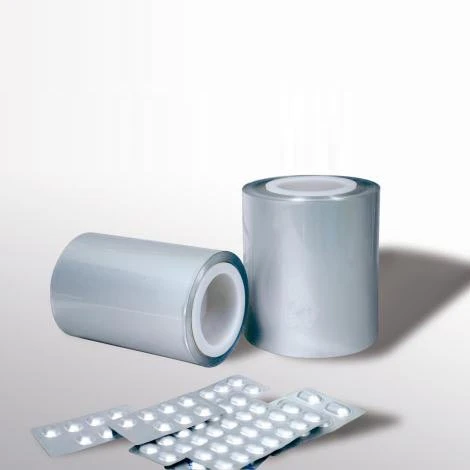
Lucky Medicinal Cold-Forming Composite Material
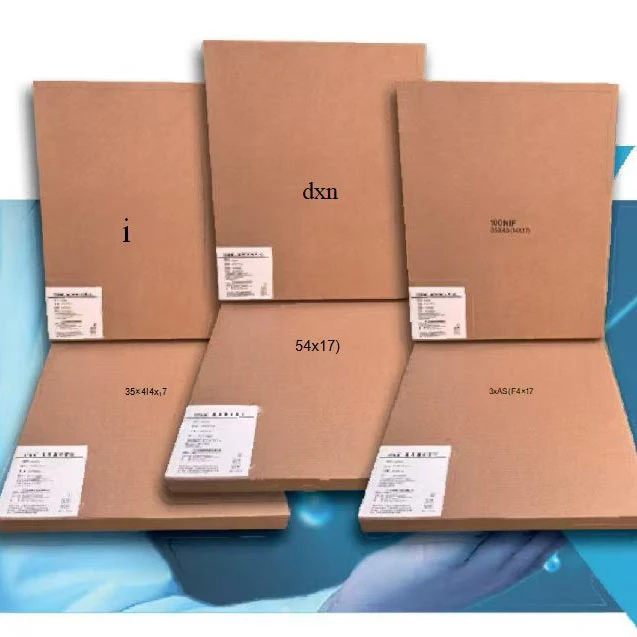
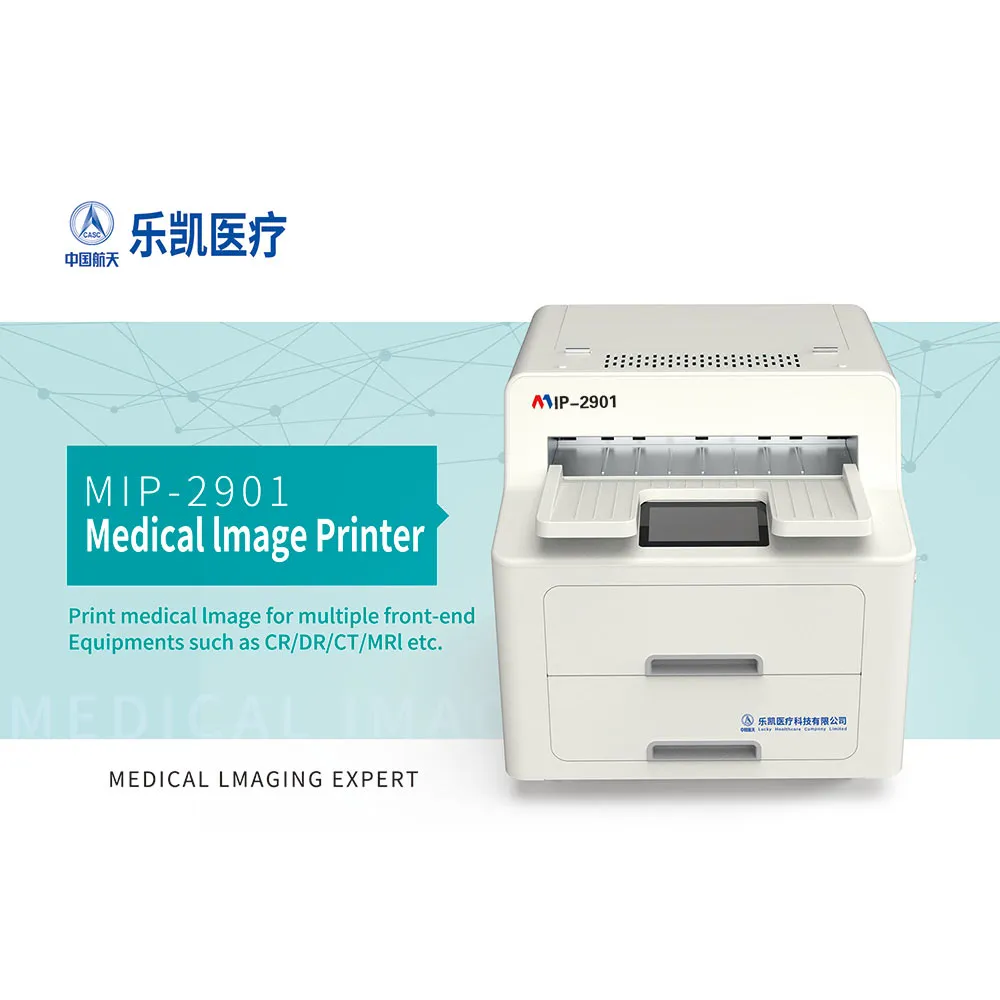
DICOM Printer: High-Quality Medical Imaging & DICOM Printing