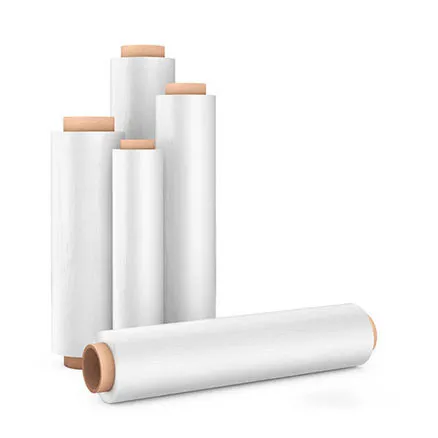


Aug . 29, 2025
In the rapidly expanding global photovoltaic (PV) industry, the integrity and longevity of solar modules are paramount. A cornerstone component ensuring this durability is the solar backsheet. This essential protective layer, forming the outermost rear surface of a PV module, plays a multifaceted role in safeguarding the delicate solar cells and encapsulants from environmental stressors. Its primary functions include providing electrical insulation, moisture barrier protection, UV radiation resistance, and mechanical strength to withstand various climatic conditions.
The industry for solar backsheets is currently witnessing significant trends driven by the demand for higher efficiency, longer module lifespans, and reduced Levelized Cost of Electricity (LCOE). Advancements in material science are leading to the development of more robust, cost-effective, and environmentally friendly backsheet solutions. For instance, the transition from traditional Tedlar-based structures to newer fluorine-free alternatives and multi-layer composites reflects a drive towards enhanced performance and sustainability.
Key trends shaping the future of pv backsheet technology include:
These trends underscore the dynamic nature of the solar backsheet market and the continuous efforts to enhance the reliability and efficiency of solar power generation.
The performance of a solar backsheet is intrinsically linked to its material composition and structural design. These components are meticulously chosen to withstand extreme environmental conditions while maintaining electrical isolation and mechanical integrity over decades.
The most prevalent backsheet of solar panel constructions are multi-layered, typically involving a core material for mechanical strength and outer layers for UV and weather protection:
Critical parameters define a backsheet's suitability and long-term reliability:
The Lucky Cpct1 solar backsheet exemplifies a high-performance solution, engineered for superior durability and reliability in diverse climates. Its multi-layer construction ensures robust protection for PV modules.
| Parameter | Value/Standard | Test Method |
|---|---|---|
| Structure | CPC (Coating-PET-Coating) Multi-layer | Visual Inspection, Cross-section Analysis |
| Thickness (μm) | 250 ± 10 | ASTM D374 |
| Water Vapor Transmission Rate (g/m²/day) | ≤ 0.5 (38°C, 90% RH) | ASTM F1249 |
| Dielectric Breakdown Voltage (kV) | ≥ 10 (Dry) | IEC 61730-2 (Method B.1) |
| Partial Discharge Voltage (V) | ≥ 1000 | IEC 60664-1 |
| UV Resistance (hrs) | Passed 3000h (IEC 61215/61730 compliant) | IEC 61215-2 MQT 21 |
| Thermal Cycling (Cycles) | Passed 800 cycles (-40°C to +85°C) | IEC 61215-2 MQT 11 |
| Humidity Freeze (Cycles) | Passed 20 cycles (85°C/85% RH to -40°C) | IEC 61215-2 MQT 13 |
| Adhesion to EVA (N/cm) | ≥ 80 | ASTM D903 |
| Color | White (Custom colors available) | Visual Inspection |
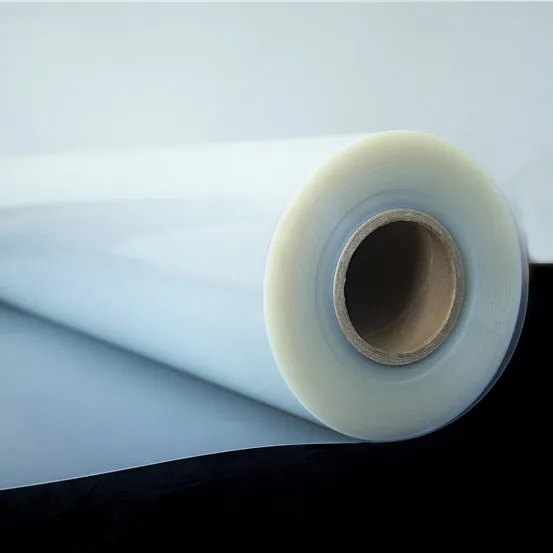
Image: Advanced material layers combine to form a high-performance solar backsheet.
The production of a high-quality pv backsheet is a sophisticated process involving meticulous material selection, precise layering, and rigorous quality control. Unlike traditional metal fabrication, backsheet manufacturing focuses on lamination, coating, and polymer science to create a durable, multi-functional film. The goal is to achieve a consistent product that adheres to stringent international standards, ensuring a service life exceeding 25 years in harsh outdoor environments.
Selection of high-grade raw materials: PET film for core strength, fluoropolymer (PVF/PVDF) or advanced polymer coatings for UV/weather resistance, and specialized adhesives. Materials are inspected for purity and consistency.
The PET core film undergoes surface treatments (e.g., corona treatment) to enhance adhesion properties, ensuring strong bonds with subsequent layers.
Multiple layers are precisely bonded together under controlled temperature and pressure. For coated solar backsheets, specialized weatherable coatings are applied to the PET film using gravure or slot-die coating techniques, followed by curing.
Laminated or coated films undergo a curing process to achieve optimal adhesion and material properties, followed by stabilization to ensure dimensional stability.
The wide rolls of finished backsheet of solar panel are precisely slit into narrower rolls according to customer specifications, ready for shipment.
Throughout the process, stringent QC measures are applied. Final products undergo comprehensive testing to meet international standards.
Adherence to international standards is non-negotiable for solar backsheets. Key certifications and testing standards include:
The service life of a high-quality backsheet of solar panel is typically designed for 25-30 years, matching the expected operational lifespan of PV modules. This extended durability is achieved through the careful selection of UV-stabilized polymers, effective moisture barriers, and robust mechanical properties validated by the aforementioned rigorous testing.
While primarily serving the solar energy sector, specific characteristics of advanced backsheets make them suitable for a broader range of applications requiring durable, weather-resistant films:
The meticulous manufacturing and testing processes ensure that these backsheets provide superior protection, making them a cornerstone of reliable and efficient solar power generation across various industries.
The strategic deployment of advanced solar backsheets is instrumental in maximizing the return on investment for PV projects by enhancing module longevity and operational efficiency across diverse environmental conditions. Their robust technical advantages translate directly into tangible benefits for various application scenarios.
High-performance backsheets are integral to the success of PV installations ranging from small-scale residential setups to vast utility-scale power plants:
The technical superiority of modern solar backsheets translates into several critical advantages for PV module performance and system reliability:
Image: Solar backsheets protecting modules in a utility-scale solar farm.
The strategic selection of a pv backsheet tailored to specific environmental and project requirements is a critical factor in achieving long-term module performance and maximizing the economic viability of solar energy installations.
Choosing the right vendor for solar backsheets is a strategic decision for PV module manufacturers, directly impacting module quality, reliability, and cost-effectiveness. The market offers a range of suppliers, each with distinct advantages in material science, manufacturing capabilities, and customization options. A thorough comparison is essential to align product specifications with project demands and long-term performance expectations.
Different types of eva solar backsheet and other backsheet constructions offer varying performance characteristics. This table provides a general comparison to aid in vendor and product selection.
| Feature | TPT (Tedlar-PET-Tedlar) | KPC (Kynar-PET-Core) | CPC (Coating-PET-Coating, e.g., Lucky Cpct1) | Fluorine-Free (e.g., PP-based) |
|---|---|---|---|---|
| Outer Layer Material | PVF (Tedlar) | PVDF (Kynar) | Advanced Polymer Coating | Various polymers (e.g., PP, Acrylic) |
| UV Resistance | Excellent (Proven Long-Term) | Excellent (Good Chemical Resistance) | Very Good to Excellent (Proprietary Formulations) | Good to Very Good (Continually Improving) |
| Moisture Barrier (WVTR) | Very Good | Very Good | Excellent (Often Optimized) | Good (Dependent on specific design) |
| Cost | High | Medium to High | Medium | Low to Medium |
| Environmental Impact | Fluorine-containing (Disposal considerations) | Fluorine-containing (Disposal considerations) | Often Fluorine-Free (More Sustainable) | Generally Fluorine-Free (Eco-friendly) |
Many leading solar backsheet manufacturers, including those producing products like Lucky Cpct1, offer customized solutions to meet specific project demands. This flexibility allows module manufacturers to differentiate their products and optimize performance for niche applications.
Customization options typically include:
Engaging with vendors who possess strong R&D and technical support capabilities allows for the co-development of solutions perfectly tailored to unique project needs, ensuring optimal performance and compliance.
The reliability of a solar backsheet is best demonstrated through its performance in actual deployments and the trust it garners from leading PV module manufacturers. Case studies highlight how robust backsheet technology contributes to the long-term success and profitability of solar energy projects.
A prominent utility-scale solar farm in a desert region of the Middle East, commissioned in 2018, faced extreme challenges from high UV radiation, elevated temperatures, and significant sand abrasion. The project utilized PV modules equipped with a high-performance pv backsheet featuring enhanced UV and abrasion resistance (similar to Lucky Cpct1). After 5 years of operation, visual inspections and performance tests showed minimal signs of degradation on the backsheet of solar panel, such as yellowing, cracking, or delamination. The modules consistently met their projected power output, demonstrating the backsheet's critical role in maintaining module integrity in one of the world's harshest solar environments. This project exemplifies the long-term reliability provided by superior backsheet technology.
In a densely populated coastal area known for its high humidity and salt mist, a large-scale residential solar program deployed thousands of rooftop PV systems. The modules incorporated an advanced eva solar backsheet with an ultra-low Water Vapor Transmission Rate (WVTR) and excellent anti-corrosion properties. Customer feedback over a 7-year period has been overwhelmingly positive, with no reported cases of module failures attributed to moisture ingress or electrical insulation breakdown. The rigorous protection provided by the solar backsheet prevented potential-induced degradation (PID) and internal corrosion, ensuring steady performance and high customer satisfaction. This success underscores the importance of a backsheet specifically engineered for challenging humid and saline conditions.
A modern commercial building in a major metropolitan area integrated PV modules into its facade as part of a BIPV initiative. The project required a solar backsheet film that was not only highly durable and fire-retardant but also aesthetically pleasing, blending seamlessly with the architectural design. Custom black backsheets were supplied, which met stringent fire safety classifications (e.g., UL 790 Class A) and provided excellent UV stability. The modules have performed flawlessly since installation in 2020, offering both clean energy generation and architectural elegance without any compromise on safety or longevity. This case highlights the versatility and specialized capabilities of modern backsheets for integrated urban solutions.
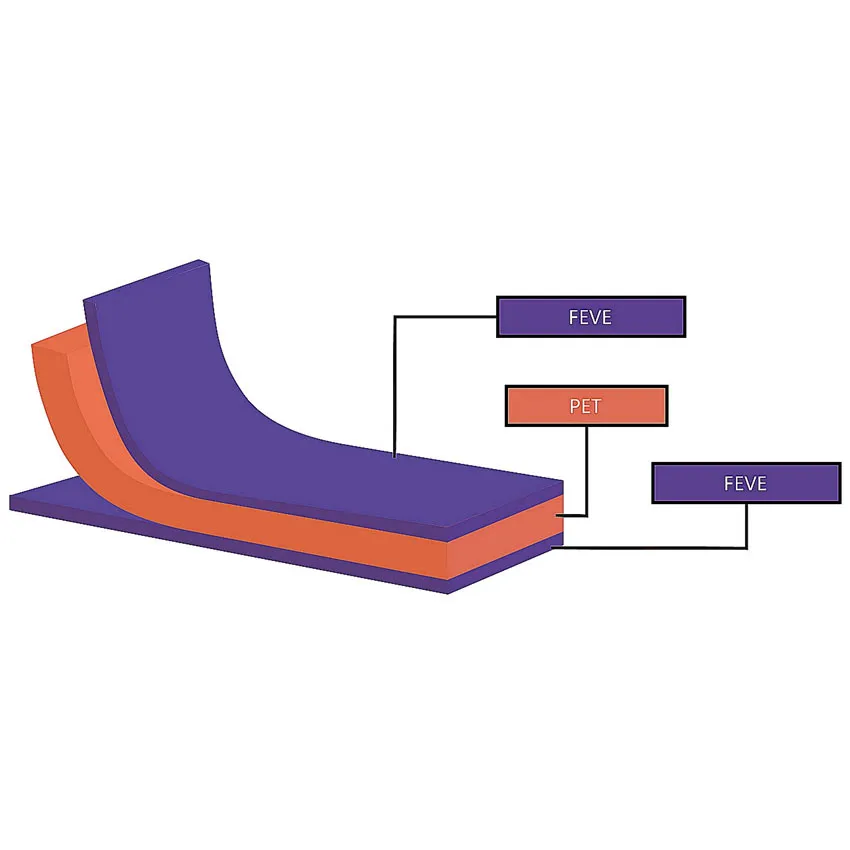
Image: Rigorous testing ensures the long-term performance and reliability of solar backsheets.
These case studies illustrate the tangible benefits of investing in high-quality solar backsheets. They demonstrate that expert material science, rigorous manufacturing, and adherence to international standards directly translate into dependable, long-lasting solar energy solutions across a spectrum of demanding applications.
The primary function of a solar backsheet is to protect the sensitive components of a PV module, specifically the solar cells and encapsulant, from environmental degradation. It provides electrical insulation, acts as a moisture barrier, offers UV radiation resistance, and contributes to the mechanical integrity of the entire module.
A high-quality backsheet is crucial for a solar panel's lifespan. By effectively preventing moisture and UV penetration, it mitigates common degradation mechanisms like delamination, cell corrosion, and potential-induced degradation (PID), thereby helping the module achieve its designed operational life of 25-30 years or more.
TPT (Tedlar-PET-Tedlar) backsheets use fluoropolymer films for their outer layers, providing excellent, long-proven UV and weather resistance. Fluorine-free solar backsheets, such as CPC types like Lucky Cpct1, utilize advanced polymer coatings or other materials without fluorine. They offer comparable performance, often at a lower cost, and are considered more environmentally friendly during manufacturing and disposal.
Yes, reputable manufacturers often provide customized solar backsheets. Options include variations in thickness, width, color (e.g., black backsheets for aesthetic integration), and specialized coatings for enhanced properties like anti-soiling or fire retardancy, tailored to meet unique project specifications.
When selecting a pv backsheet, look for certifications such as IEC 61215 (design qualification), IEC 61730 (safety qualification), UL (Underwriters Laboratories), and TÜV Rheinland. These ensure the product has undergone rigorous testing for performance, safety, and durability under various environmental conditions.
We understand the critical nature of supply chain efficiency in PV module manufacturing. Standard lead times for our solar backsheet products typically range from 2 to 4 weeks, depending on order volume and customization requirements. For large-scale projects or urgent demands, we offer expedited production and logistics solutions. Our robust manufacturing capacity and established global supply chain ensure timely fulfillment and minimal disruption to your production schedules. We also provide detailed lead time estimates at the quotation stage, ensuring transparency and reliability.
Our backsheets are backed by comprehensive warranties that reflect our confidence in their long-term performance and durability. Typically, our solar backsheet products, including Lucky Cpct1, come with a 10-year product warranty against manufacturing defects and material degradation under normal operating conditions. This warranty covers issues such as delamination, excessive yellowing, and cracking that could impair module performance or safety. We stand by the quality of our materials and processes, offering peace of mind to our partners.
We pride ourselves on providing exceptional customer support, from initial consultation to after-sales service. Our team of technical experts and sales professionals is available to assist with product selection, technical inquiries, customization options, and troubleshooting. We offer:
Our commitment is to build long-term partnerships based on trust, quality, and unparalleled support, ensuring the continued success of your PV module manufacturing.
The solar backsheet stands as a critical, yet often overlooked, component in the architecture of a photovoltaic module. Its indispensable role in providing electrical insulation, moisture protection, and UV resistance directly underpins the longevity and performance of solar panels. As the solar industry continues its rapid growth, driven by innovation and demand for sustainable energy, the evolution of backsheets will remain at the forefront of material science and manufacturing excellence. Investing in high-quality, certified solar backsheets is not merely a cost consideration but a strategic decision that safeguards long-term asset value and ensures the consistent, reliable generation of clean energy.
Manufacturers like us are dedicated to advancing backsheet of solar panel technology, offering robust, customizable, and environmentally conscious solutions like Lucky Cpct1. Through rigorous testing, adherence to international standards, and a commitment to customer support, we empower the global transition towards a more sustainable and electrified future.
Lucky Medicinal Cold-Forming Composite Material

Comprehensive Guide to Finding Reliable Inkjet Paper Suppliers