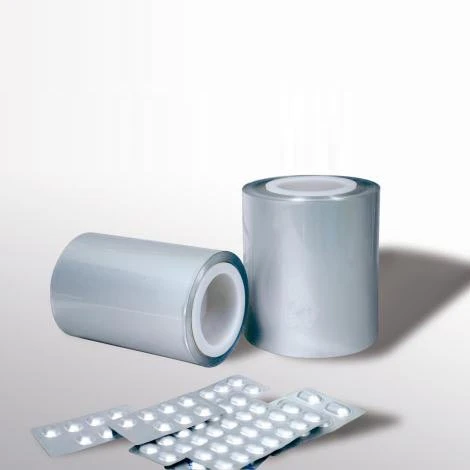
Medicinal Cold-Forming Composite Material is a high-performance material specifically designed for the pharmaceutical industry. This innovative composite material is ideal for tablet production and capsule manufacturing, offering an advanced solution for the creation of medicinal products with precise dosage control and consistent quality.
When it comes to printing, the choice of paper significantly impacts the final result. While both inkjet paper and plain paper are commonly used, they are designed for different purposes. Understanding the key differences between them is crucial for achieving optimal print quality and longevity. This article dives deep into the characteristics of each type, outlining their advantages, disadvantages, and ideal applications, helping you make an informed decision for your printing needs. Selecting the right paper ensures vibrant colors, sharp text, and a professional finish. Plain paper, also known as multipurpose paper, is the standard choice for everyday printing tasks. It's typically made from wood pulp and has a relatively rough surface. This makes it cost-effective and suitable for high-volume printing of text documents, drafts, and internal reports. However, its porous surface means ink tends to bleed, resulting in less sharp images and text, especially when using inkjet printers.