

Nov . 03, 2025
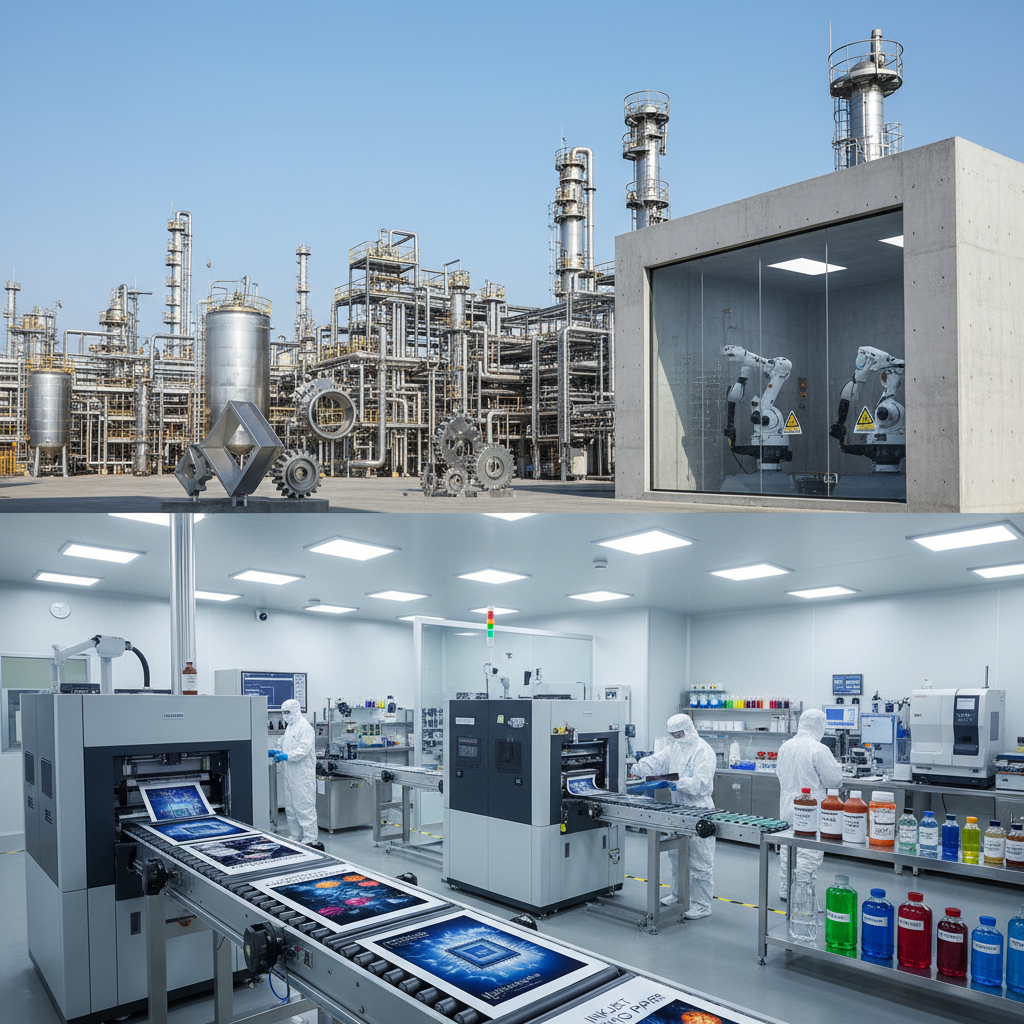
If you’re choosing a dry medical film for radiology, mammography backups, or ortho clinics, here’s what I’ve learned after visits to Hebei and a stack of test prints on my desk. Lucky’s Medical Dry Film Kx410 is built on a blue polyester base, double‑coated (imaging + protective) and tuned for today’s thermal printers. Origin matters to many buyers, so I’ll say it upfront: No. 6, Lekai South Street, Baoding, Hebei, China.
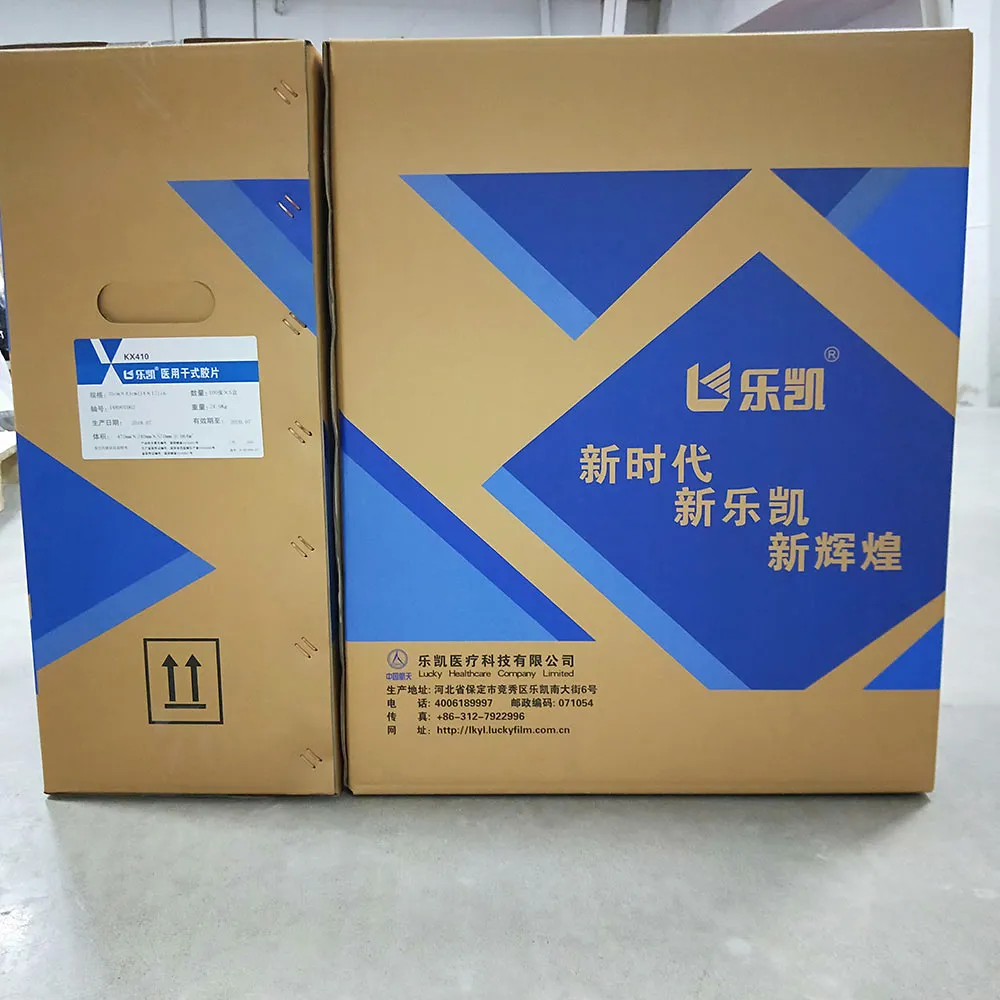
Hospitals keep moving away from wet chemistry. Darkrooms are costly; effluent regulations are tighter; radiology teams want bright-room workflow. Kx410 leans into that trend: low gray fog, high clarity, high density, bright tone, and yes, bright-room handling. It’s designed to plug into common thermal printers without fuss—many customers say the changeover takes an afternoon, tops.
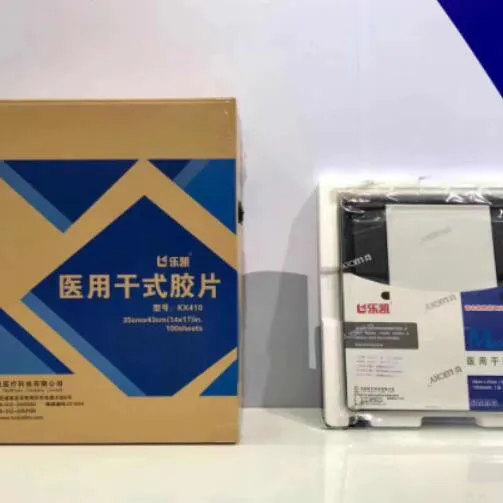
| Product | Lucky Medical Dry Film Kx410 |
| Base material | Blue PET (polyester) with dual-side imaging + protective layers |
| Thickness | ≈175 μm (ISO 534 method) |
| Optical density | Dmax ≈ 3.2; Dmin ≤ 0.20 (ISO 5-3) |
| Compatible printers | Thermal medical printers, 300–508 dpi; DICOM Print workflows |
| Available sizes | 8×10, 10×12, 11×14, 14×17 in (others on request) |
| Storage/shelf life | 10–24°C, 40–60% RH; shelf life up to 24 months sealed |
Materials: blue PET base, heat‑sensitive imaging layer, scratch‑resistant topcoat. Methods: clean-room coating, precision drying, slit-and-pack. Testing: sensitometry and OD (ISO 5‑3), thickness (ISO 534), curl (≤1.5 mm), adhesion (ASTM D3359), static discharge checks, and accelerated aging aligned with ISO 18911/18916 for permanence screening. In our bench checks at 23°C/50% RH, prints showed crisp trabecular detail and low fog. Service life? Many sites target 10+ years archival in proper storage; real-world use varies by handling.
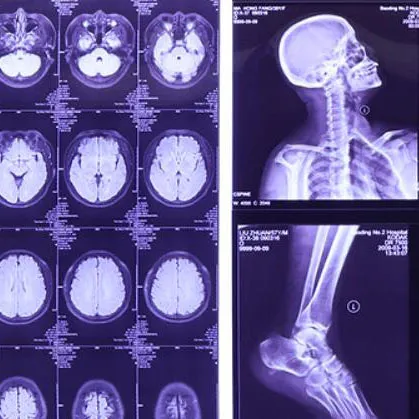
Advantages that stood out: bright-room operation, no chemistry (goodbye fixer), high clarity and stable tone. And, to be honest, the reduced logistics of chemical handling is a quiet cost win.
| Vendor/Model | Base/Thickness | Dmax/Dmin | Printer fit | Notes |
|---|---|---|---|---|
| Lucky Kx410 | Blue PET ≈175 μm | ≈3.2 / ≤0.20 | Thermal, 300–508 dpi | Bright-room, low fog, competitive TCO |
| Carestream DRYVIEW-class | Blue PET ~175–190 μm | ≈3.1–3.4 / low | Vendor printers | Broad install base |
| AGFA DRYSTAR-type | Blue PET ~175 μm | ≈3.1–3.3 / low | Vendor printers | Strong service network |
Data are indicative from public literature and lab checks; real-world use may vary by printer calibration and local conditions.
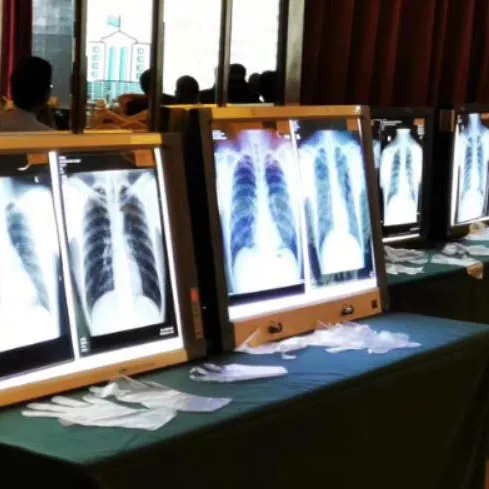
Sizes can be tailored (within common radiology formats). Tone curve tweaks via printer LUTs are straightforward. For compliance, buyers often request RoHS/REACH statements and QA docs; facilities sometimes audit to ISO 13485 or ISO 9001—ask your vendor early.
If you want clean, bright-room workflow with high-density output, dry medical film like Kx410 is a pragmatic pick. The eco angle—no developer/fixer—matters, but the real win is consistent tone and easy integration into DICOM Print. I guess that’s why the switch feels almost boring in the best way: it just works.
Lucky Medicinal Cold-Forming Composite Material
Black and White Photographic Film | High Speed, Fine Grain