

Oct . 25, 2025
In an era where PACS viewers and 6MP monitors dominate, Dry Laser Film continues to quietly anchor diagnostic workflows. To be honest, I didn’t expect so many radiology departments (and tumor boards) to keep hardcopy printers humming—but they do, especially where litigation defensibility, inter‑department handoffs, and long‑term archiving still matter. From Baoding, Hebei—No. 6, Lekai South Street, to be precise—Lucky’s KX350 has become a bit of a staple.
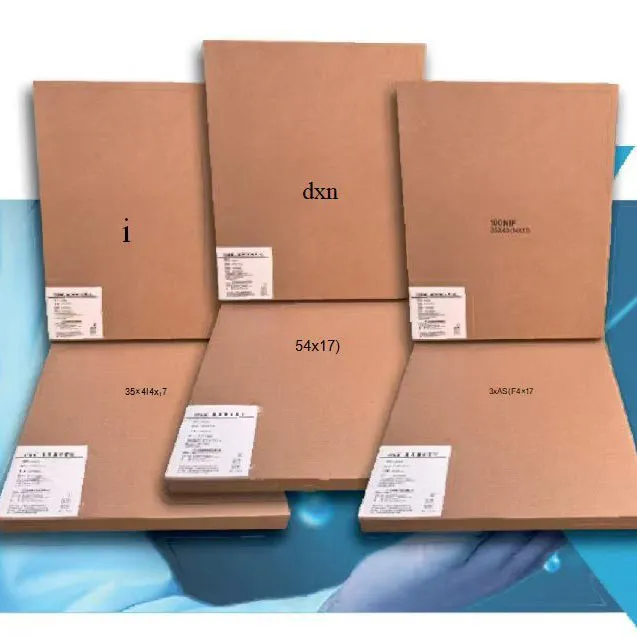
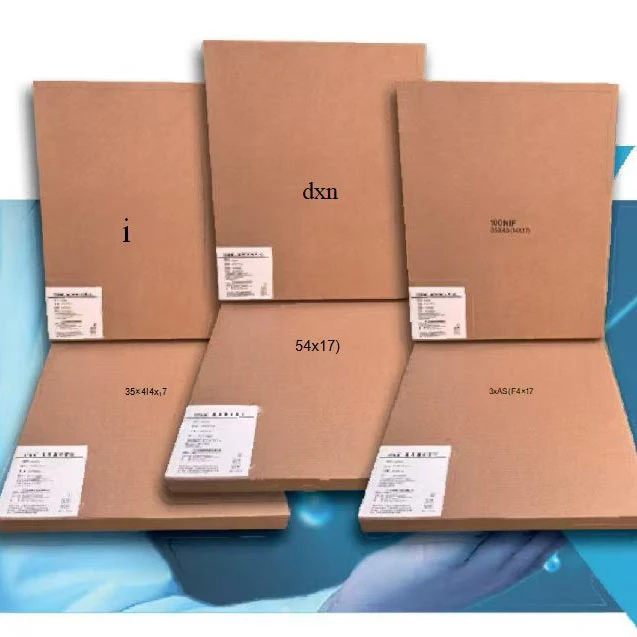
Lucky’s KX350 is a medical‑grade Dry Laser Film optimized for dry laser imagers in radiology, cardiology, and oncology. It’s photothermographic—no wet chemistry—so clinics avoid darkroom headaches. The pitch is simple: sharp edges, high contrast, and reliable density stability without fading. Many customers say it “just loads and works,” which, in busy imaging centers, is half the battle.
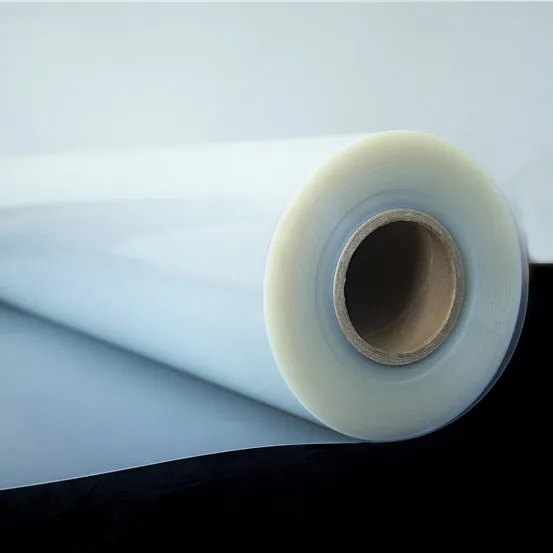
| Base | Blue‑tinted PET, ≈175 μm |
| Imaging layer | Photothermographic silver formulation; anti‑static and protective topcoat |
| Optical density (Dmax) | ≈3.6–3.9 (real‑world use may vary by imager calibration) |
| Dmin | ≈0.15–0.22 |
| Sizes | 8×10, 10×12, 11×14, 14×17 in (custom cuts available) |
| Archival life | Up to 10 years under ISO storage conditions (23 °C, ≤60% RH) |
| Certifications | Manufacturer typically ISO 13485; region‑specific registrations (e.g., CE/NMPA) where applicable |
In a typical hospital network, a cardiology team prints key frames for surgical consults; oncology tumor boards still like annotated Dry Laser Film for cross‑disciplinary reviews; and rural referral sites hand patients films because, surprisingly, that remains the most portable “PACS” some patients carry.
| Film | Typical Dmax | Base | Imager compatibility | Archivability | Relative cost |
|---|---|---|---|---|---|
| Lucky KX350 Dry Laser Film | ≈3.6–3.9 | Blue PET | Mainstream dry imagers; check profile | Up to ~10 years | Value‑oriented |
| Fujifilm DI‑HT (indicative) | ≈3.6–4.0 | Blue PET | FUJI DryPix series | ~10 years | Premium |
| Carestream DryView (indicative) | ≈3.6–3.8 | Blue PET | DryView printers | ~10 years | Mid‑to‑high |
On site, techs often mention the KX350’s moisture resistance and “no jam” feed behavior. Densitometer checks I’ve seen show Dmax repeatability within ≈±0.10 after quarterly calibrations, which is solid. Industry‑wise, there’s a slow shift to fewer printers—but higher utilization per device—so media reliability matters more than ever.
Lucky can tailor sizes, packaging counts, and even private labels. For multi‑site systems, matched tone curves are provided so each imager’s output maps cleanly to GSDF—helpful when your tumor board sits across three hospitals. And yes, Dry Laser Film box labels can carry bilingual UDI/barcodes on request.
A provincial oncology center swapped in KX350 across two dry imagers. After recalibration, monthly QC showed uniformity drift improved by ≈18%, and print‑related downtime dropped from ~2.1% to 0.9%. Surgeons—always frank—liked the slightly higher edge contrast for vessel outlines. Not a miracle, but meaningful.
References
Lucky Medicinal Cold-Forming Composite Material
Premium Solar Backsheet: Durable Protection for PV Panels