Understanding the Size of Radiographic Film: Why It Still Matters Worldwide
Radiographic film size is more than just a technical specification—it’s a critical factor that impacts industries ranging from healthcare to manufacturing. Globally, accurate radiographic imaging depends on selecting the proper film size, which affects image clarity, diagnostic value, and workflow efficiency. Grasping this seemingly simple element can unlock significant advantages like cost savings, enhanced safety, and better compliance with international standards.
In many countries, especially where digital alternatives are a luxury, radiographic film remains a backbone of diagnostic and industrial inspection methods. So knowing what size of radiographic film fits your application isn’t just a technicality; it’s a practical necessity.
Global Relevance: How Film Size Connects to Industry and Healthcare Trends
From sprawling urban hospitals in Europe to remote clinics in Southeast Asia, radiographic film stays relevant despite the rise of digital radiography. According to WHO data, over 70% of medical imaging worldwide still includes some form of analog technology, largely because of cost and infrastructure limits. Likewise, industries such as aerospace, automotive, and oil rely heavily on radiographic film inspections for quality control.
The challenge? Not all film sizes are created equal. Insufficient film can lead to retakes, waste, and delays. Oversized film increases costs and storage hassles. This balance has prompted organizations like the International Organization for Standardization (ISO) to refine film size standards, streamlining global usage while accommodating diverse operational needs.
What Exactly Is the Size of Radiographic Film?
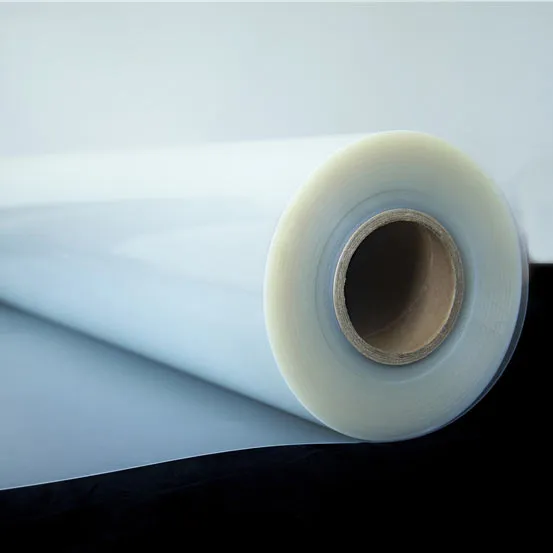
Put simply, the size of radiographic film refers to the physical dimensions of the film sheet or roll used to capture X-ray images. The size dictates the area that can be imaged in a single exposure, influencing everything from the level of detail captured to the ease of handling and storage.
In modern contexts, film size ranges from tiny formats for dental X-rays to large sheets for industrial weld inspection or full-body medical scans. The choice usually rests on the kind of imaging, available equipment, and the level of detail required. Oddly enough, while digital radiography is ushering change, the legacy of film sizes still anchors workflows worldwide, especially in places less ready to go fully digital.
Key Factors Influencing Radiographic Film Size
1. Diagnostic or Inspection Requirement
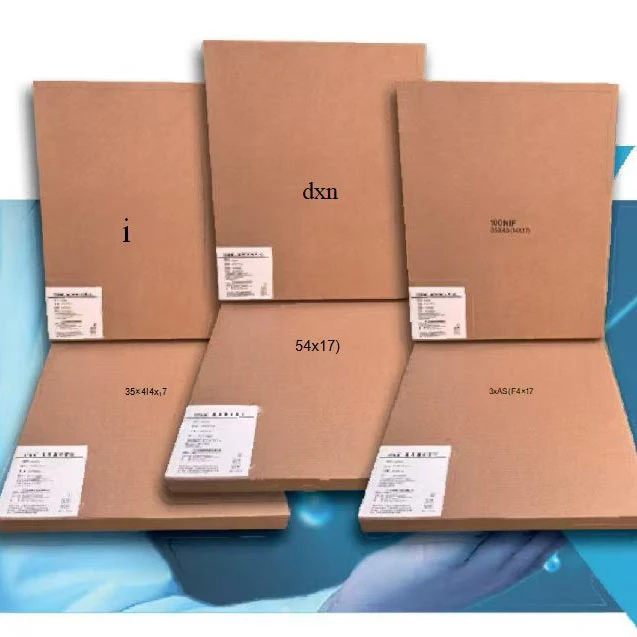
For medical applications, film size impacts diagnostic accuracy. Smaller sizes like 4x4 inches might suffice for dental images but larger sizes such as 14x17 inches are preferred for chest X-rays. In contrast, industrial radiography often demands custom sizes tailored to inspect complex parts or weld seams.
2. Equipment Compatibility
Not all X-ray machines handle every size of radiographic film. Equipment brands and models come with fixed cassette sizes, so films need to match exactly to avoid image distortion or processing errors. Many engineers note that this is where users get tripped up when switching vendors or upgrading systems.
3. Image Resolution and Detail
Larger film generally captures higher detail over broader areas but increases processing time and handling risks (think scratches or dust). Conversely, smaller film is easier to store and quicker to process but may miss critical features that affect diagnosis or inspection quality.
4. Cost and Availability
Film sizes commonly stocked tend to be less expensive by volume. Specialized or large sizes can be pricey, and in some regions, hard to obtain regularly. This leads some facilities to standardize on a few sizes to optimize cost-efficiency while ensuring acceptable image quality.
5. Regulatory Standards
Compliance with ISO or country-specific health and safety standards often mandates certain film sizes for specific applications. Ignoring these can mean noncompliance fines or invalid diagnostic results, which directly affect patient care or industrial certification.
Mini Takeaway
Choosing the correct size of radiographic film depends on balancing technical needs, equipment compatibility, and regulatory requirements — a little detail that can make a big difference in practice.
How Radiographic Film Sizes Are Used Across the Globe
In healthcare, diverse film sizes are used depending on regional infrastructure. In the US and Europe, larger standard sizes for chest and orthopedic X-rays are prevalent. Meanwhile, in many African and Asian countries with limited access to digital radiography, smaller film sizes still dominate rural clinics and field hospitals.
Industrial sectors also heavily rely on appropriate film sizing. In the Middle East’s oil fields, films sized for pipeline weld inspection must handle tough environments and precise detail. Aerospace companies in East Asia prefer custom wides to inspect structural components before assembly. Even humanitarian organizations use standardized sizes when setting up emergency diagnostic centers after natural disasters, enabling fast, reliable imaging on site.
A Real-World Example
In a post-tsunami relief operation in Indonesia, mobile X-ray units equipped with 8x10 inch radiographic film cassettes enabled quick triages despite power and equipment constraints. The size hit a sweet spot for portability and diagnostic coverage—too small and injuries went unnoticed; too large and logistics slowed down.
Specification Table: Typical Radiographic Film Sizes
| Film Size |
Dimensions (inches) |
Typical Use Cases |
Cost Estimate (USD per box) |
| 4"x4" |
4 x 4 |
Dental, extremities |
$40-$50 |
| 8"x10" |
8 x 10 |
Chest X-rays, industrial parts |
$60-$75 |
| 14"x17" |
14 x 17 |
Full-body medical imaging |
$80-$100 |
| Custom Large Format |
Varies (up to 24"x36") |
Industrial inspections, aerospace |
$120-$200+ |
Comparing Leading Vendors for Radiographic Films
Choosing a supplier for radiographic film size that fits your needs extends beyond dimensions into quality, pricing, and support. Here’s a quick comparison based on industry feedback and product specs. Of course, your mileage may vary depending on location and order volume.
| Vendor |
Available Sizes |
Price Range |
Quality Rating |
Customer Support |
| FilmCorp |
Standard & Custom |
$$$ |
4.5/5 |
24/7 Hotline + Online Chat |
| RadiPrime |
Standard only |
$$ |
4.0/5 |
Email Support & FAQs |
| Global X-Ray Supplies |
Wide Range Custom Sizes |
$$$$ |
4.8/5 |
Dedicated Account Managers |
Quality ratings based on user reviews from 2023 industrial reports.
Advantages & Long-Term Value of Using Correct Radiographic Film Sizes
Correct film size selection cuts down on waste—both material and time. You’re less likely to have to do repeated exposures, which means lower radiation doses for patients, less wear on equipment, and fewer delayed diagnoses or inspections. That’s safety and dignity combined.
From a sustainability standpoint, fewer rejects and optimized use also mean less environmental impact, which is becoming a real focus given global climate commitments. And logically, well-fitting films foster trust in results—especially critical in industries where a single flaw can have costly consequences.
Emerging Trends in Radiographic Film Sizes
While the world largely moves digital, film innovations aren’t standing still. Some manufacturers are pushing ultra-thin, flexible films that allow for easier handling and transport, especially in remote or emergency situations. Meanwhile, hybrid workflows combine film and digital to enhance versatility.
Greener materials are slowly entering the market, promising films that degrade faster in landfills without losing imaging quality. Automation in film processing and handling—such as robotic cassette loaders designed for specific film sizes—is gaining traction, further reducing human error.
Challenges and What’s Being Done
- Challenge: Difficulty maintaining consistent film quality across different batches and sizes.
- Solution: Advanced ISO-compliant quality checks and using proven vendor certifications help maintain standards.
- Challenge: Supply chain constraints for less-common sizes, especially in developing regions.
- Solution: Vendor partnerships with localized warehousing and pre-approved standard sizes for rapid deployment.
FAQ About Size of Radiographic Film
- Q: What is the most commonly used radiographic film size for chest X-rays?
- A: The 14"x17" (35x43 cm) film size is standard for chest X-rays, balancing image detail with manageable processing times.
- Q: Can I use a film size smaller than recommended for industrial inspections?
- A: While possible, using smaller films may risk missing defects due to limited coverage. It’s better to match film size closely to the inspection area for accuracy.
- Q: How does film size affect radiation exposure?
- A: Larger film sizes generally require higher exposures, as they cover bigger areas. Proper size selection helps minimize unnecessary radiation.
- Q: Are customized film sizes more expensive?
- A: Yes, custom sizes usually cost more due to lower production volumes and specialized processing but may be necessary for unique applications.
- Q: Where can I learn about international standards on film sizes?
- A: ISO 8661 outlines standard sizes for medical radiographic film. The official ISO website and industry associations provide detailed documentation.
Wrapping Up: Why Knowing The Size of Radiographic Film Pays Off
So, what’s the takeaway? The size of radiographic film remains a foundational detail that affects everything from image quality to cost-efficiency and regulatory compliance. Whether you’re running a hospital imaging center, conducting vital industrial inspections, or organizing emergency aid, understanding film sizes better equips you for smarter choices.
If you want to dive deeper or shop certified sizes, visit our website — it’s a small detail with a big payoff.
References
- Radiographic film - Wikipedia
- ISO 8661: Medical radiographic film - International Organization for Standardization
- WHO Fact Sheet on Radiology