

Oct . 28, 2026
THE BUYER'S GUIDE / SELECTION
Skid-Mounted Water Treatment Systems consolidate all treatment equipment onto a single pre-assembled frame, making them a practical choice for projects that require rapid deployment, easy relocation, or limited civil-engineering budgets. This guide walks buyers through the key application scenarios—domestic sewage, drinking water, seawater desalination, and industrial wastewater—and explains the specification checks that matter most before placing an order, drawing on the confirmed product description from Baoding Lekai International Ltd.
Application type and water quality profile: Identify whether the project involves domestic sewage, drinking water, seawater desalination, or industrial wastewater, and obtain a representative feed water analysis and target effluent standard before specifying the system.
Required capacity and flow rate: Define peak daily flow and any peak-to-average ratio; confirm whether the skid design supports modular expansion if future capacity growth is anticipated.
Site constraints and installation conditions: Verify that the site can accommodate skid dimensions and weight, provide correct utility supplies, and allow delivery access before finalising specifications.
Automation and control requirements: Confirm PLC/SCADA integration scope, remote monitoring capability, alarm handling, and operator interface needs, particularly for remote or low-staffing sites.
Customization scope: Document required process stages, materials of construction, skid dimensions, and control philosophy in a written technical specification before production begins.
Skid-Mounted Water Treatment Systems are integrated solutions in which all process equipment—pumps, filtration vessels, membranes, control panels, and pipework—is pre-assembled and tested on a single structural frame (the "skid") before shipment. Because the system arrives essentially ready to connect, site work is limited to anchoring the skid, making utility connections, and commissioning the controls. This plug-and-play design is the feature that most clearly separates skid-mounted units from site-built treatment plants.
Baoding Lekai International Ltd. offers Skid-Mounted Water Treatment Systems that cover domestic sewage treatment, drinking water purification, seawater desalination, and industrial wastewater treatment—all with automatic operation and full customization to match specific water qualities, capacities, and treatment requirements.
Understanding which application your project falls into is the first specification check. The four primary categories supported by skid-mounted configurations are:
Municipal or community sewage typically contains suspended solids, biochemical oxygen demand (BOD), and pathogens. A skid-mounted configuration is well suited here when a temporary solution is needed during a larger construction programme. The self-contained nature of the skid means it can be relocated once the permanent plant is commissioned.
Projects supplying potable water—remote villages, construction camps, island communities—benefit from the plug-and-play design because qualified civil engineers or process installers may not be readily available on site. Automatic operation reduces the need for continuous skilled supervision.
Coastal, offshore, or island installations often have constrained footprints and high logistical costs. Skid mounting groups the high-pressure pumps, membrane housings, energy recovery devices, and post-treatment dosing onto one frame, reducing both installation time and the risk of inter-component connection errors.
Industrial effluents vary widely by sector—food processing, pharmaceuticals, electronics manufacturing, and others. The fully customizable nature of skid-mounted systems means the process train (coagulation, filtration, biological treatment, membrane polishing, etc.) can be configured to match the specific contaminant profile, flow rate, and discharge standard of a given facility.
Before requesting a quotation, a procurement team should work through the following checks:
Confirm which of the four application categories applies and obtain a representative water analysis (feed water quality parameters) and the target effluent standard. The system configuration—particularly process stages and membrane selection—depends entirely on this data. Without it, neither the supplier nor the buyer can verify that the specified system will achieve the required output.
Skid-mounted units are customizable to different capacities. Define the peak daily flow (m³/day or m³/hour) and any peak-to-average ratio. Under-specifying capacity can lead to throughput shortfalls; over-specifying inflates cost. Where future expansion is anticipated, confirm whether the skid design accommodates modular add-on units.
The plug-and-play advantage is only realised if the site can accept the skid dimensions and weight, provide the correct utility supplies (power voltage, water pressure, drainage gradient), and allow for delivery access. Collect site drawings, available floor load data, and utility specifications before finalising dimensions with the supplier.
Because these systems are designed for automatic operation, buyers should confirm the level of SCADA or PLC integration required, remote monitoring capability, alarm handling, and operator interface language. Projects in remote locations or with minimal on-site staffing place a premium on reliable automatic operation and remote diagnostics.
Full customizability means the supplier should be able to adapt the process train, skid dimensions, materials of construction (e.g., stainless steel vs. carbon steel), and control philosophy. Buyers should document these requirements in a technical specification sheet and confirm them in writing before production begins.
Once the application and capacity are fixed, run through these pre-order checks:
| Check | What to Confirm |
|---|---|
| Feed water analysis | Chemical and biological parameters, temperature range, seasonal variation |
| Target effluent standard | Local discharge or reuse standard the treated water must meet |
| Peak flow and daily volume | Design basis for pump sizing and membrane area |
| Skid footprint and weight | Matches available floor space, access aisle widths, and structural load rating |
| Utility supply | Voltage, phase, frequency, inlet pressure, drainage elevation |
| Automation level | PLC/SCADA scope, remote access, alarm outputs |
| Customization requirements | Process stages, materials, instrumentation, documentation language |
| After-sales support | Spare parts availability, commissioning assistance, operator training |
This format is highly versatile, but it is not universally optimal:
Where any of these conditions apply, buyers should discuss the specific constraints with the supplier before committing to a skid-mounted configuration.
Skid-Mounted Water Treatment Systems from Baoding Lekai International Ltd. address four established application categories—domestic sewage, drinking water, seawater desalination, and industrial wastewater—with a design philosophy centered on integration, automatic operation, and customizability. The right fit depends on a clear definition of application type, feed water quality, required capacity, site constraints, and automation requirements. Buyers who document these parameters before engaging the supplier will be better positioned to evaluate proposals and avoid costly mid-project specification changes.
THE PEOPLE

About the author
THE COMPANY
The Evolution of Lucky Group: A Legacy of Innovation and Global Reach On December 24, 1953, the 199th Administrative Meeting of the Government Affairs Council of the Central People's Government passed the *Resolution on Establishing a National Film Distribution Network and Film Industry*, mandating the construction of a film stock manufacturing facility in China. This landmark decision laid the foundation for what would become a cornerstone of China's imaging and materials science sector.…
About Us ↗Visit company website ↗YOUR NEXT STEP
Use case, specification, quantity and delivery window: make the next conversation specific.
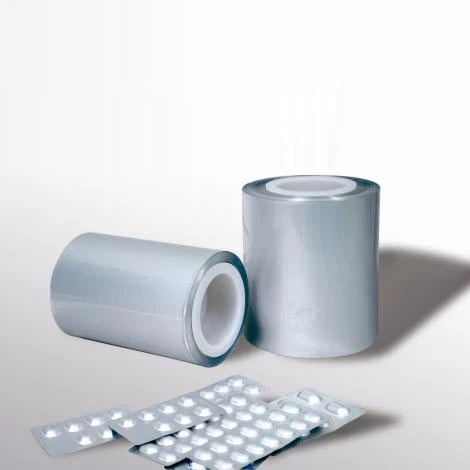
Lucky Medicinal Cold-Forming Composite Material
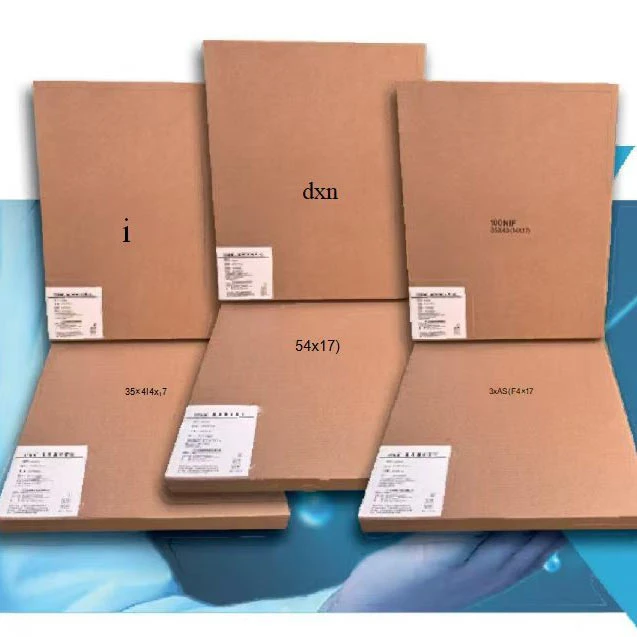
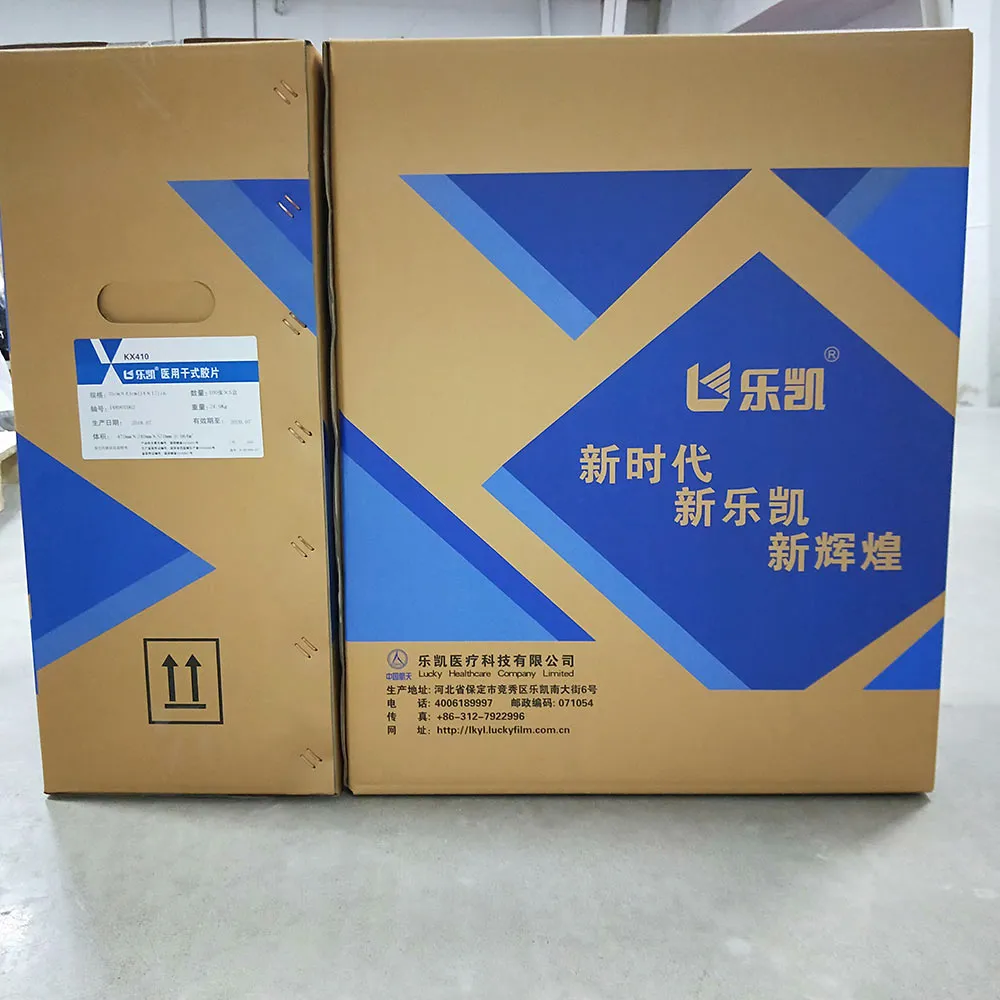
Dry Medical Film – High-Resolution, Fast, DICOM-Compatible