

Mar . 12, 2026
Non-destructive testing (NDT) film plays a vital role in quality control and assurance across numerous industries. From aerospace and automotive to oil & gas and medical, the ability to detect internal flaws without damaging the component is paramount. This article provides an in-depth look at NDT film, its types, applications, and benefits, offering valuable insights for professionals and those seeking to understand this critical testing method. Choosing the right NDT film ensures accurate defect detection, ultimately enhancing product reliability and safety. LK International offers a diverse range of high-quality NDT films tailored to meet various industrial requirements.

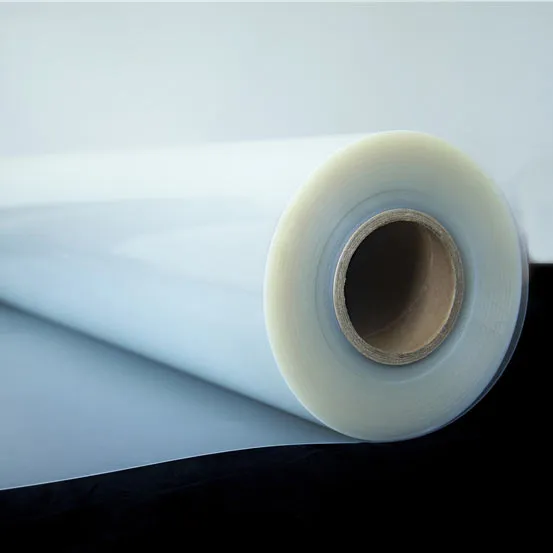
NDT film, also known as radiographic film, is a specialized imaging material used in industrial radiography. It reacts to ionizing radiation (X-rays or gamma rays) to create a visible image representing the internal structure of an object. This allows inspectors to identify defects such as cracks, voids, porosity, and inclusions without disassembling or destroying the tested component. The importance of NDT film lies in its ability to proactively identify potential failures, ensuring product integrity and preventing costly breakdowns. It’s a cost-effective and reliable method for maintaining high quality standards in critical applications. LK International provides consistent, high-performance NDT film to meet stringent inspection needs.
Key Highlights: NDT film enables the detection of internal flaws without damaging the component, ensuring product integrity and preventing potential failures. It’s a vital tool for quality control in numerous industries.
Several types of NDT film are available, each designed for specific applications and radiographic techniques. Common types include:
Selecting the appropriate film type depends on factors such as the material being inspected, the desired image resolution, and the available processing equipment. LK International's extensive product catalog offers a variety of NDT film options to suit diverse needs.
Film Type Selection:
• Consider the material being inspected and its thickness.
• Choose a film with appropriate speed and contrast for the application.
• Factor in processing capabilities and environmental conditions.
NDT film finds widespread applications in various sectors, including:
These are just a few examples, demonstrating the versatility and importance of NDT film in ensuring product safety and reliability. LK International serves a broad range of industries with tailored NDT film solutions.
Selecting the optimal NDT film requires careful consideration of several key factors. These include:
Consulting with NDT film specialists like those at LK International can streamline the selection process and ensure the best possible results.

Choosing the right NDT film is critical for effective non-destructive testing. By understanding the different types of film, their applications, and the key factors to consider, professionals can ensure accurate defect detection, enhance product reliability, and maintain high quality standards. LK International is your trusted partner for premium NDT film solutions.
NDT film has a defined shelf life, typically 1-2 years from the date of manufacture, depending on the film type and storage conditions. Exposure to heat, humidity, and light can accelerate deterioration. It's crucial to store film in a cool, dry, and dark environment. Regularly check the expiration date and use the 'first in, first out' principle to ensure optimal performance. Expired film may produce unreliable results due to reduced sensitivity and increased fogging. LK International recommends proper storage practices to maximize film usability.
Image defects can arise from various sources, including improper processing, scatter radiation, film handling issues, and equipment malfunctions. Common defects include fogging, streaks, scratches, and chemical stains. Controlling radiation scatter through proper shielding and collimation is essential. Following precise processing procedures and handling film carefully can minimize these issues. Regularly calibrating radiographic equipment ensures consistent image quality. If recurring defects occur, consult with an NDT specialist to diagnose and resolve the problem.
Digital radiography offers several advantages over traditional film-based NDT, including instant image viewing, digital image processing and archiving, and reduced chemical waste. DR systems typically provide higher sensitivity and wider dynamic range, allowing for the detection of smaller defects. However, DR systems are generally more expensive to acquire and maintain than traditional film systems. The choice between DR and film depends on factors such as budget, application requirements, and workflow preferences. LK International offers solutions for both traditional and digital NDT.
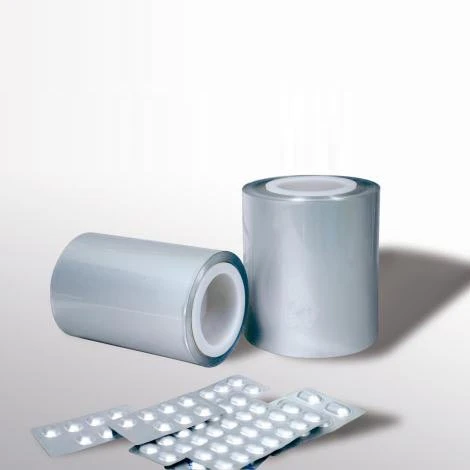
Lucky Medicinal Cold-Forming Composite Material
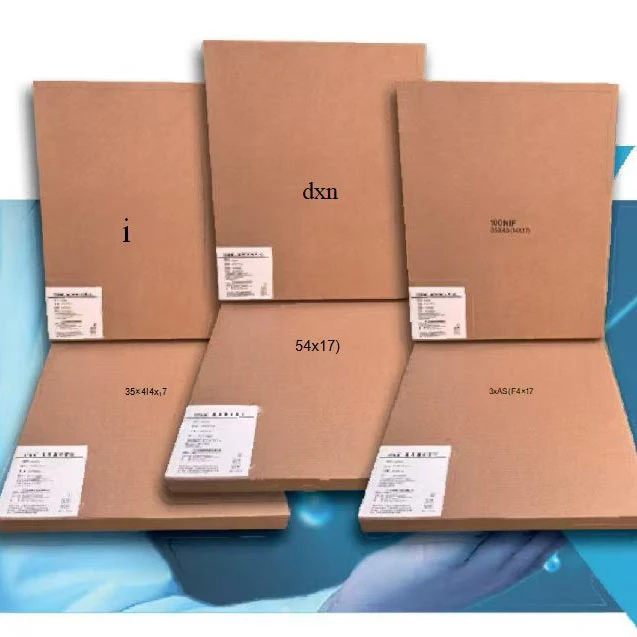
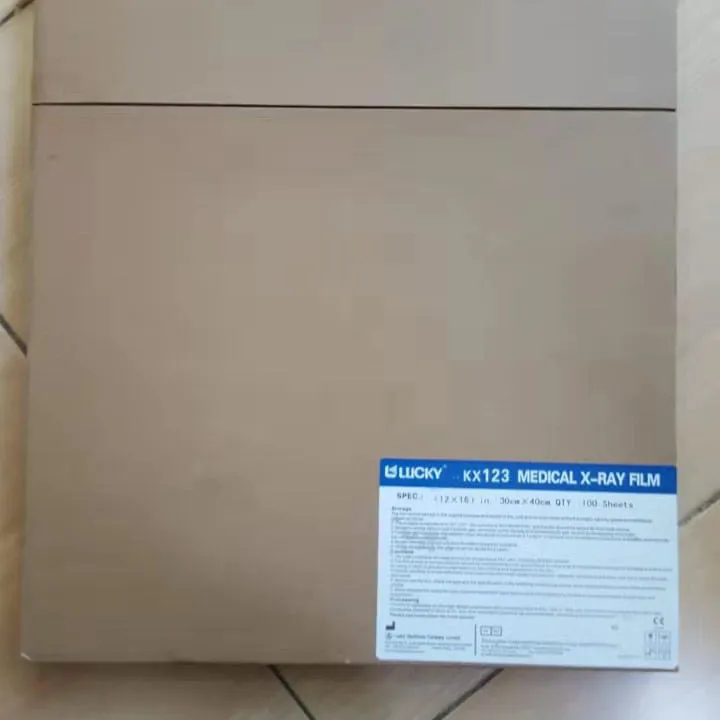
High-Quality X-Ray Film for Medical Imaging | Shop Now