

Mar . 14, 2026
Film radiography, a cornerstone of Non-Destructive Testing (NDT), plays a vital role in ensuring the integrity of materials and structures without causing damage. This technique utilizes X-rays or gamma rays to create an image on film, revealing internal flaws and defects. Understanding the principles, applications, and advancements in film radiography NDT is crucial for professionals across various industries, including aerospace, oil and gas, and manufacturing. The precision and reliability of this method make it indispensable for quality control and safety assessments.

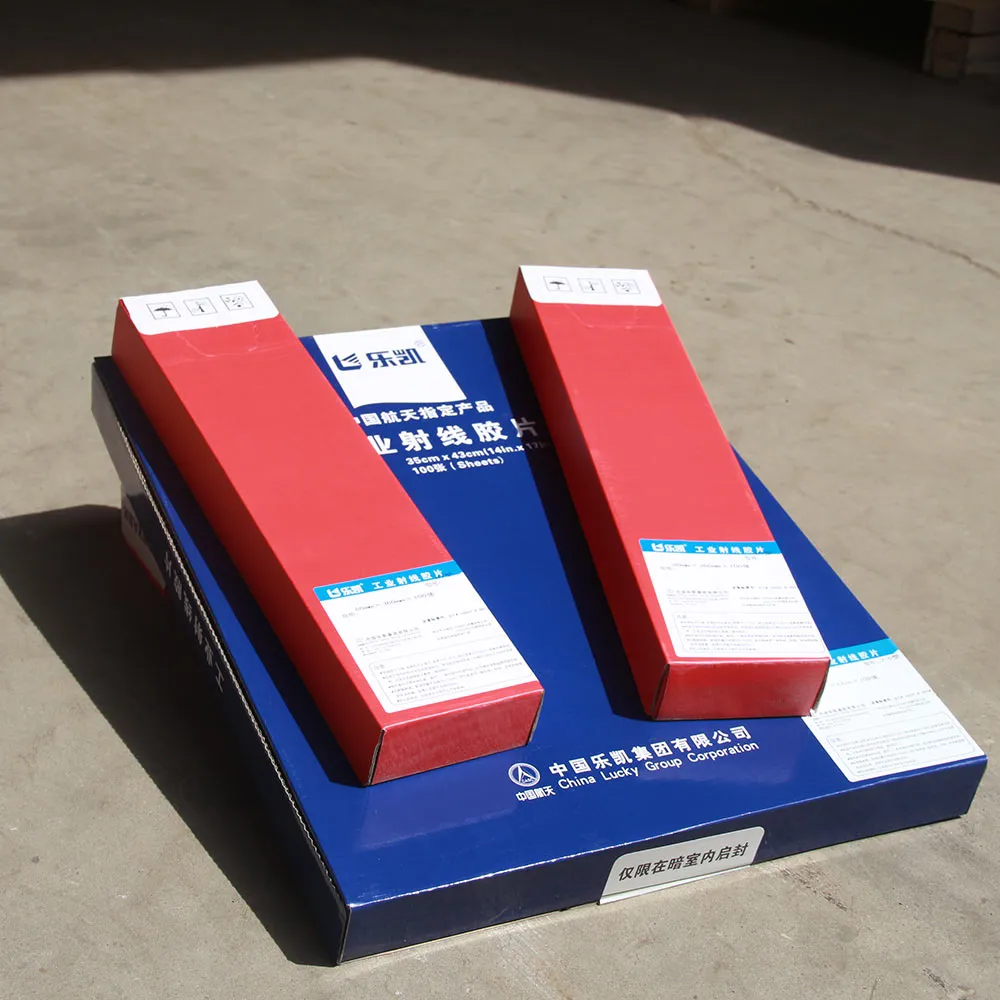
At its core, film radiography relies on the differential absorption of radiation by the material being inspected. When radiation penetrates an object, it is attenuated based on the material's density and thickness. Areas with higher density or thickness absorb more radiation, resulting in less radiation reaching the film. Conversely, areas with lower density or the presence of defects allow more radiation to pass through. This variation in radiation intensity creates a shadow image on the film, revealing internal characteristics. Selecting the correct radiation source, film type, and exposure parameters are critical for obtaining a clear and interpretable radiograph. LK International specializes in providing high-quality film radiography solutions.
Key Highlights: The technique utilizes differential absorption of radiation. Proper selection of parameters is vital for image clarity.
Film radiography finds widespread application across numerous industries. In aerospace, it's used to inspect turbine blades and welds for cracks and porosity. The oil and gas industry utilizes it to examine pipelines and pressure vessels for corrosion and defects. Manufacturing benefits from its ability to detect flaws in castings and forgings. Even in civil engineering, it’s employed to assess the integrity of concrete structures and steel reinforcements. The versatility and relatively low cost of film radiography make it a popular choice for a broad range of inspection needs.
Common Applications:
• Aerospace component inspection
• Oil & gas pipeline integrity checks
• Manufacturing weld assessment
• Civil engineering structural evaluation
While film radiography remains valuable, digital radiography (DR) has emerged as a powerful alternative. DR utilizes digital detectors instead of film, offering several advantages, including faster image acquisition, wider dynamic range, and the ability to digitally enhance and store images. However, film radiography often has a lower initial cost and can be more suitable for certain applications where high resolution isn’t paramount. The choice between the two depends on factors like budget, inspection requirements, and the level of image analysis needed. LK International offers both solutions.
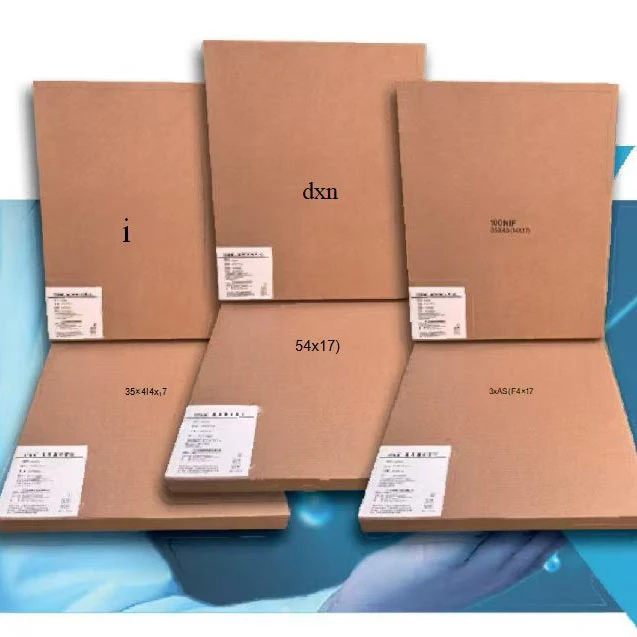
A complete film radiography setup requires several key components. These include a radiation source (X-ray or gamma ray), film, film cassettes, shielding materials, and image interpretation tools. The choice of radiation source depends on the material thickness and type. Film selection is crucial; different films offer varying sensitivity, contrast, and resolution. High-quality film cassettes are essential for maintaining film flatness and preventing light leaks. Proper shielding is paramount for operator safety, and skilled interpretation is necessary to accurately identify defects.
Safety is paramount when performing film radiography. Exposure to radiation can be harmful, so strict adherence to safety protocols is essential. This includes using appropriate shielding, monitoring radiation levels, and limiting exposure time. Personnel must be properly trained in radiation safety procedures and wear appropriate personal protective equipment (PPE). Regular audits and inspections are crucial to ensure compliance with safety regulations. LK International provides comprehensive training and support to ensure safe and effective radiography practices.
Film radiography NDT remains a vital technique for ensuring the quality and integrity of materials across a diverse range of industries. While digital radiography offers advanced capabilities, film radiography’s cost-effectiveness and proven reliability continue to make it a valuable asset. LK International is committed to providing high-quality film radiography products and solutions to meet the evolving needs of our customers.
Several film types are available, each with specific characteristics. Single-sided film is suitable for objects with relatively uniform thickness, while double-sided film provides improved image definition for thicker or more complex geometries. High-contrast films offer sharper images, while high-speed films require shorter exposure times. The choice of film depends on the material being inspected, the desired image quality, and the available radiation source.
Film cassettes are crucial for protecting the film from light exposure and maintaining its flatness during exposure and processing. They typically consist of a light-tight container with a spring-back mechanism to ensure intimate contact between the film and the object being inspected. Properly maintained cassettes are essential for obtaining high-quality radiographs. Damage to the cassette, such as bent frames or broken spring-backs, can result in distorted or unusable images.
Radiographic interpretation requires specialized training and experience. Inspectors analyze the image for variations in density, which indicate differences in material thickness or the presence of defects. Common defects include cracks, porosity, inclusions, and voids. Image quality indicators (IQIs) are used to assess the sensitivity of the radiographic technique and ensure the detection of specific defect sizes. Accurate interpretation requires a thorough understanding of the material being inspected and the potential defects that may be present.
Film radiography has several limitations. It is a 2D technique, making it difficult to accurately assess the depth of defects. It may not be suitable for inspecting materials with significant variations in thickness. The chemical processing of film can also be time-consuming and environmentally hazardous. Moreover, film radiography is less sensitive than digital radiography for detecting small defects.
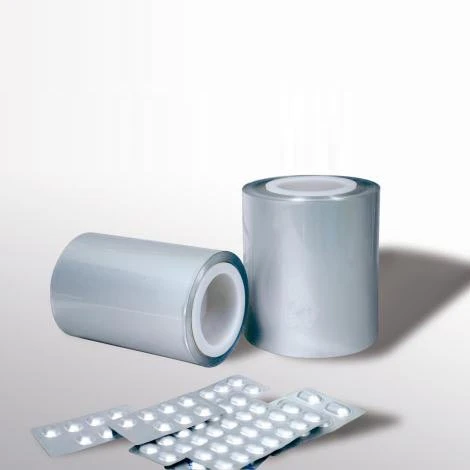
Lucky Medicinal Cold-Forming Composite Material
Comprehensive Guide to Understanding Photographic Chemicals and Their Applications